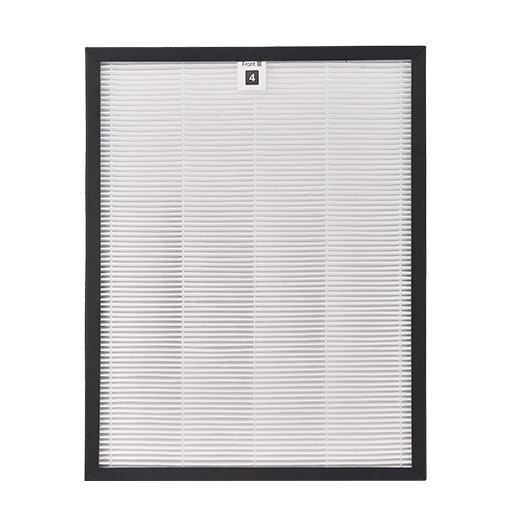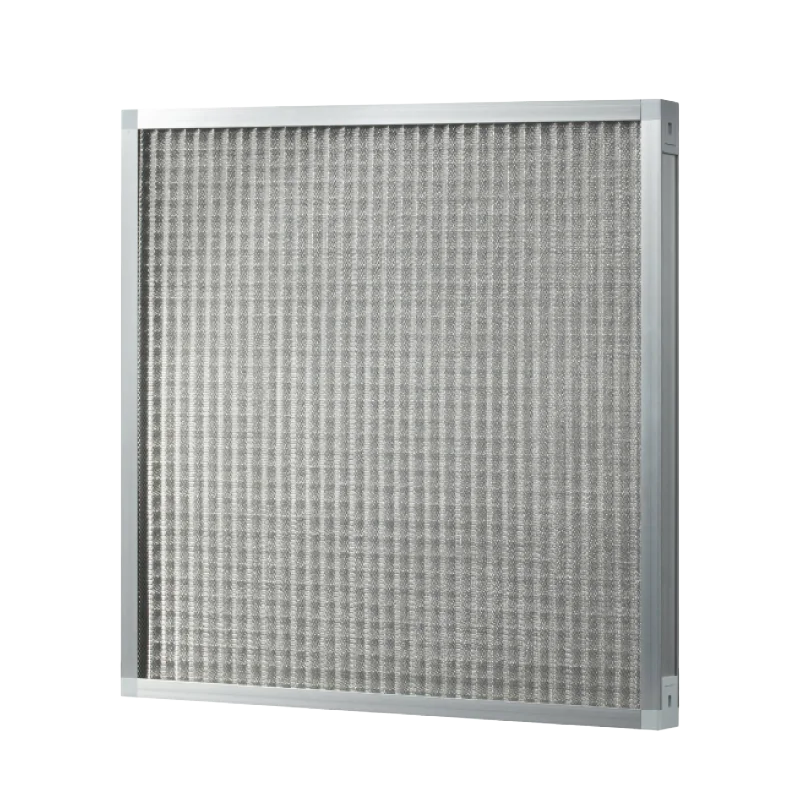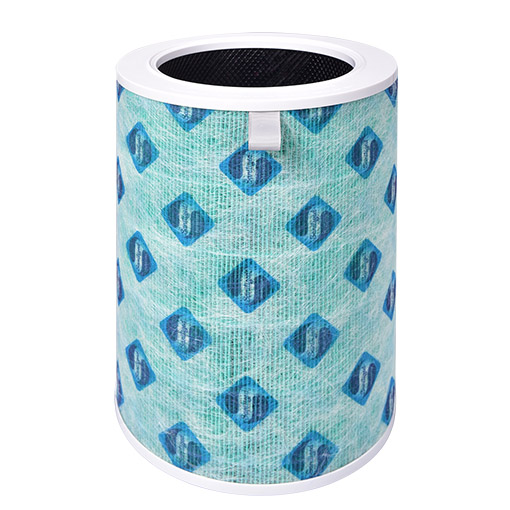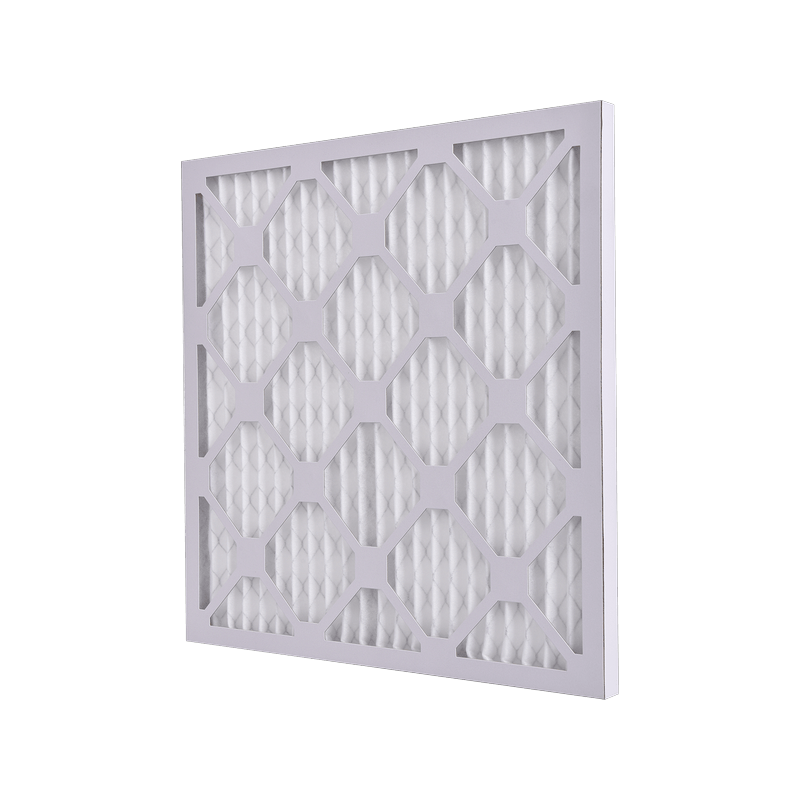
High-efficiency filter; high-efficiency filter replacement timing ; filter
Replace a high-efficiency filter by its final resistance — twice the initial resistance, or 450 Pa. Add hard checks like excess microbes and DOP leak tests. Good pre-filtration (coarse, medium and high-efficiency) extends life by 30% to 50%. It also cuts cost by 40%. Each industry still needs compliance and real-time monitoring. Trust the data, and you get both clean air and savings.
Read the data, not the color. Count the total cost, not the unit price. Learn these three hard metrics, and save 40% on consumables each year.
Hello everyone, I’m Lao Wang.
I have worked in cleanroom engineering for over ten years. The question I hear most is:
‘Lao Wang, my high-efficiency filter has run two years and still looks clean. Should I replace it?’
My answer is always the same: read the data, not your eyes.
A dark filter surface may mean dust buildup. It may also be just fine powder sticking on.
But if resistance jumps, airflow drops, or it breaks and leaks, the problem changes. It is no longer ‘clean or dirty’ — it is a cleanroom time bomb.
In this article, I explain the real life logic and hard replacement metrics for coarse, medium and high-efficiency filters. I suggest facility, purchasing and production managers save it.
Ⅰ. conclusion first: how often is it right to replace each filter grade?
The table below is based on a standard industrial setting with a good pre-filtration system. Use it as a reference:
| Filter grade | Typical model | Typical location | Suggested replacement interval (with good pre-filtration) | Harsh environment (high dust / no medium filter) |
| Coarse | G3/G4 | AHU intake | 1–3 months | within 1 month |
| Medium | F7/F8 | AHU middle section | 6–12 months | 3–6 months |
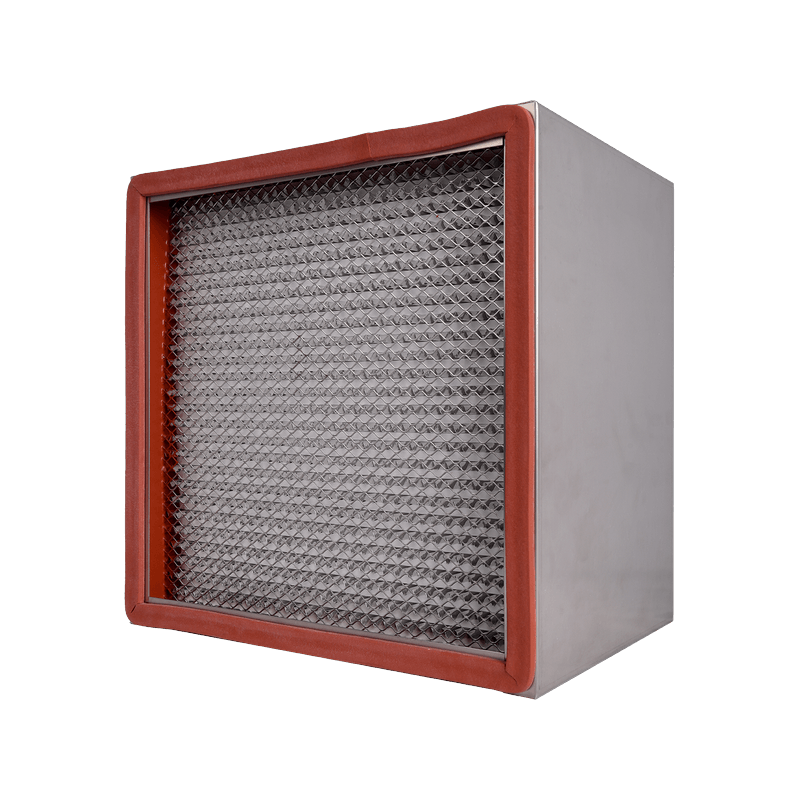
| High-efficiency | H13/H14 | workshop terminal outlet | 18–24 months | 6–12 months |
⚠️ Core rule: replace a high-efficiency filter by final resistance, not by time. When it reaches twice the initial resistance (or 450 Pa), replace it by force.
Ⅱ. why do I always stress that pre-filtration matters more than replacing the high-efficiency filter?
Many plants cut corners. They install only coarse and high-efficiency, skipping the medium filter. In engineering terms, this is a very short-sighted move.
01. data does not lie
Each step up in pre-filtration (say from G4 to F7) extends the high-efficiency filter life by 30% to 50%.
02. do the math clearly
One medium filter may cost only one-fifth of a high-efficiency filter.
Spend on two medium filters, and gain one more year of high-efficiency life. Whoever does the math wins.
03. scientific pairing tips
Coarse (G4) swaps every 1–3 months. Medium (F7/F8) swaps every 6–12 months. High-efficiency (H13/H14) easily lasts 18–24 months. Total consumable cost drops 40%.
Ⅲ. when must you replace it? Watch these three hard metrics
✅ metric 1: final resistance (the most scientific and common)
When a high-efficiency filter is installed, the outlet keeps a pressure tap.
The standard: set final resistance at twice the initial resistance.
If either happens, do not wait — replace it at once. Resistance over 450 Pa, or supply airflow below 70% of design.
✅ metric 2: microbe test (pharma / food industry)
Resistance is not there yet, but settling or airborne bacteria often exceed limits. After ruling out human error, the filter is likely broken or mold has broken through.
At this point, replace it. Do not hesitate.
✅ metric 3: DOP/PAO leak test (chip / semiconductor industry)
For precision manufacturing, the replacement cycle follows leak-test results, not time.
Once you find frame leakage or media pinholes that cannot be fixed, replace at once. Age does not matter.
Ⅳ. the unspoken rules of each industry — keep them in mind
Pharma (GMP): many plants replace all high-efficiency filters by force each annual overhaul. They do this even if resistance is still low, to avoid risk.
Food (high-humidity): check the filter back every quarter. If you find odor or mold, scrap it at once.
Semiconductor (real-time monitoring): use differential-pressure transmitters for auto monitoring. Maintenance usually starts when resistance rises 1.5 times, never waiting for 2 times.
Ⅴ. money-saving tips from an old hand
01. clean the coarse filter often
If the coarse filter is metal or nylon mesh, wash it weekly. This cuts AHU load and extends the life of all later filters.
02. sealing matters more than the media
Often, falling cleanliness is not a broken media but aged seal strips leaking air. Before each replacement, check the frame seal.
03. when unsure, test before you decide
Do not replace too early, and do not push too far. Let the manometer and particle counter speak. Data beats experience.
Filter management is not ‘replace as often as possible’. It is not ‘use it until it turns black’ either.
Science, cost sense and industry traits together give the truly worry-free and money-saving way.
If you find this article useful, feel free to like, comment and share it. Send it to colleagues in facility and equipment.