
Industry Pain Points
During automotive painting, once the particle concentration in the workshop air exceeds the allowable limit (the permitted airborne-dust count range), it directly causes defects on the painted surface, triggering substantial rework and seriously undermining first-pass yield and production efficiency. At the same time, painting plants must also contend with the combined governance pressures of multiple stages — exhaust-gas treatment, HVAC (air-conditioning) system filtration, and localized facility upgrades — making it difficult for conventional solutions to balance efficiency with compliance.
The LANSIR Solution
LANSIR provides targeted, customized end-to-end filtration-optimization solutions:
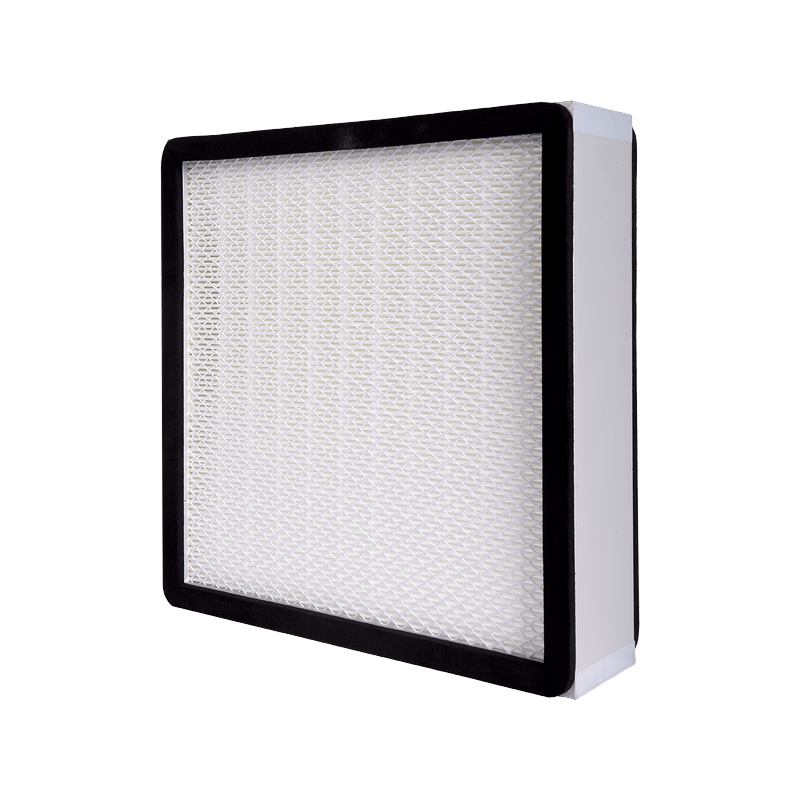
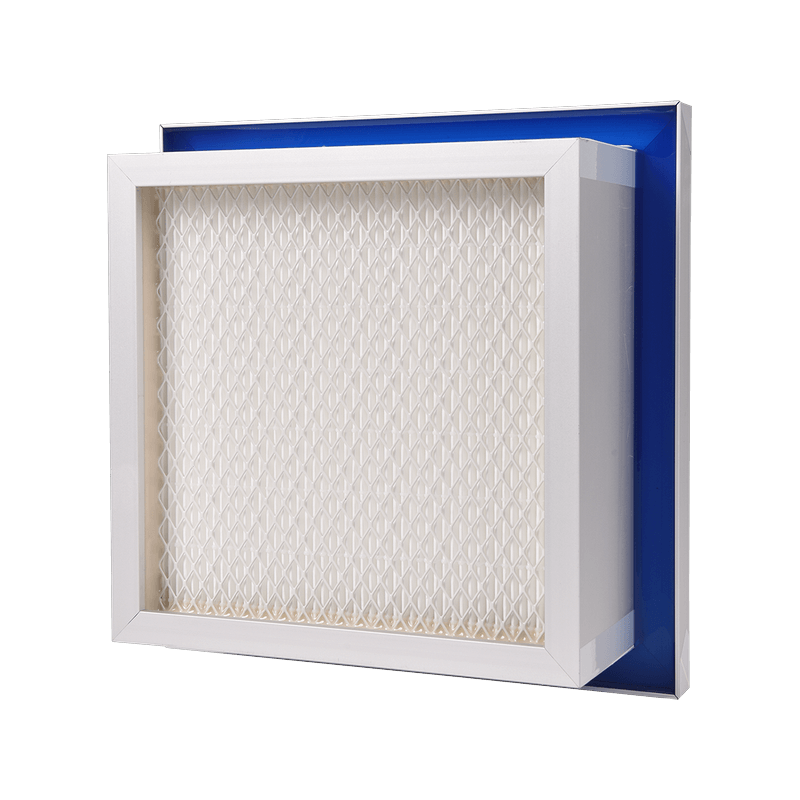
- Core filtration products: silicone-free, supplied with flame-retardancy test reports, and ceiling filters that fully comply with the DIN 53438 F1 standard — meeting the stringent safety and cleanliness requirements of the automotive spray-painting industry.
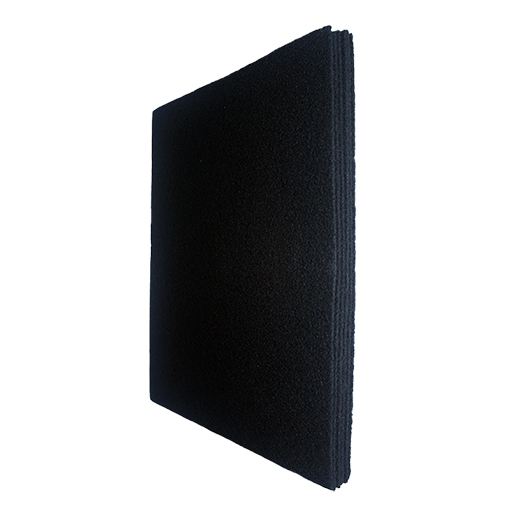
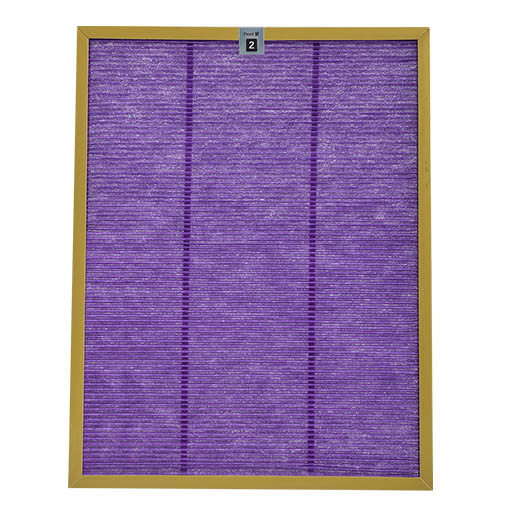
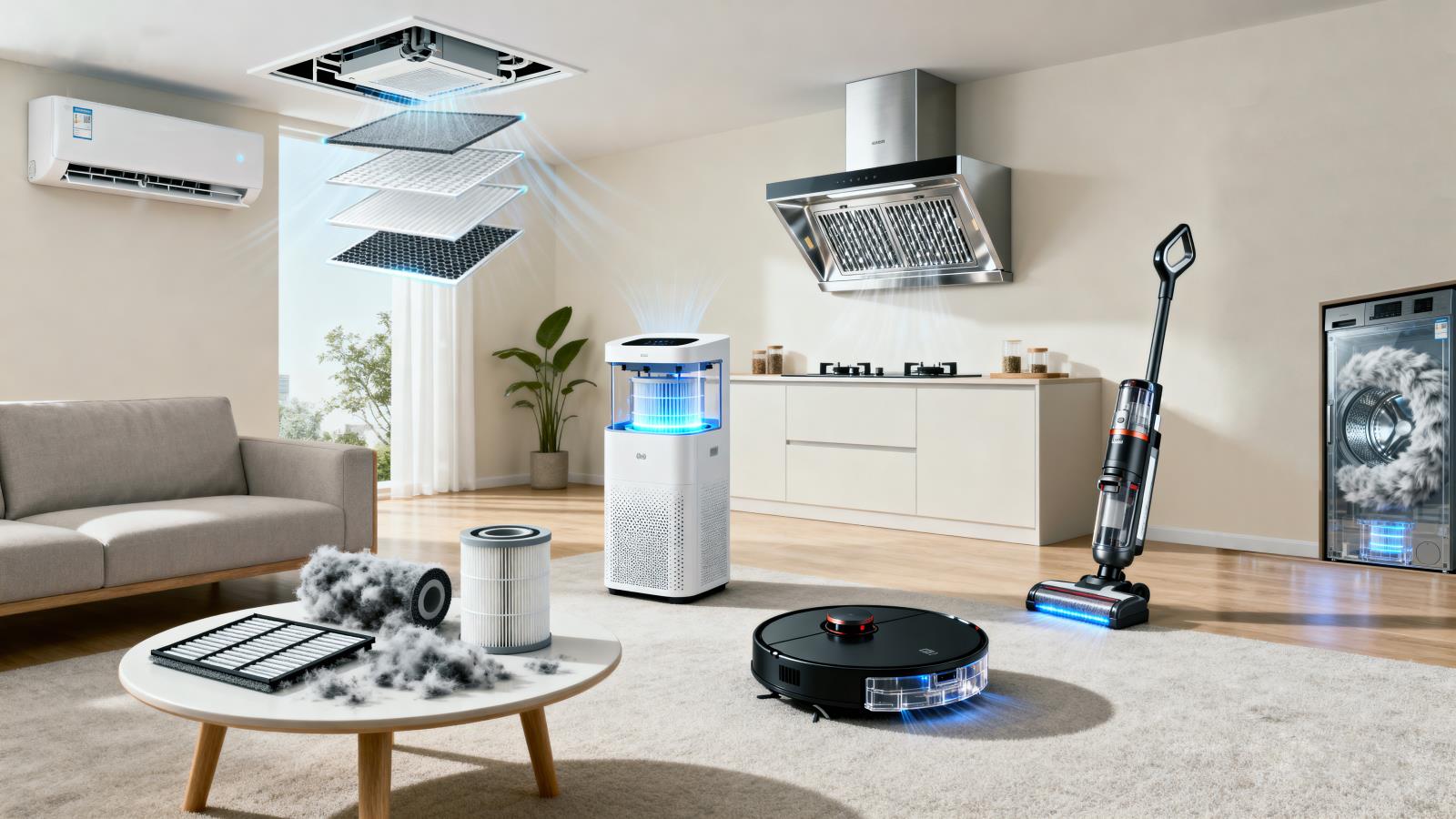
- Plant-wide supporting services: covering exhaust-gas treatment, automatic roll filters for air handling units (AHUs), breakroom air-supply outlets, air showers, as well as localized retrofit and engineering optimization — flexibly adaptable to both new production lines and upgrades of legacy lines.
- Precision dust-control strategy: a high-efficiency filtration system stably controls particle concentration, reducing the defect rate at source, cutting rework, and improving production efficiency.
Application Scenarios
Complete-vehicle manufacturing painting (pre-treatment → primer surfacer → topcoat → clearcoat, full process); automotive parts painting; NEV (new energy vehicle) battery-case painting; commercial-vehicle painting.