Air filter; air-filter efficiency classes; replacement intervals for different air-filter grades
Air filters are categorized into three types based on their filtration efficiency: pre-filters, medium-efficiency filters, and high-efficiency filters. They are respectively suitable for general premises, central air conditioning and purification areas, and high-cleanliness environments. The filtration precision ranges from common dust to particles smaller than 0.5μm. The replacement cycles are approximately 1–3 months, 6–12 months, and 18–24 months, respectively, with specific adjustments depending on the usage environment.
Coarse Air Filters
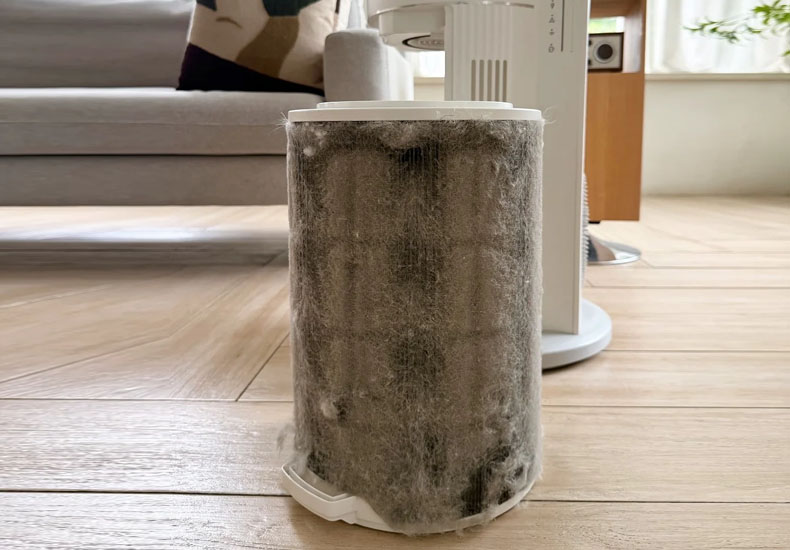
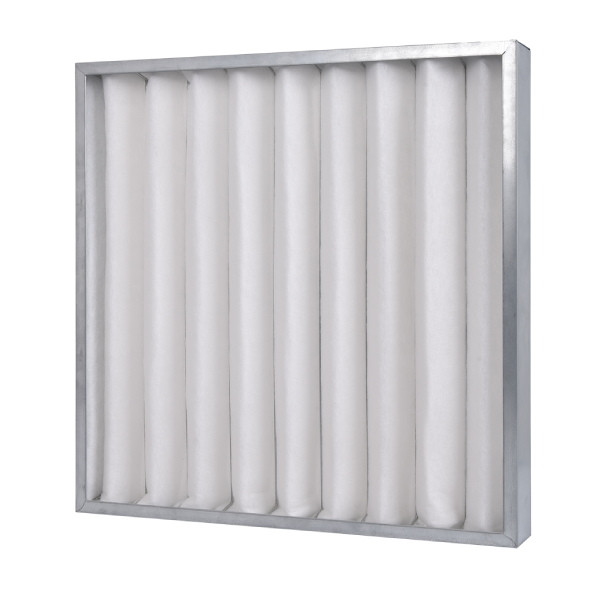
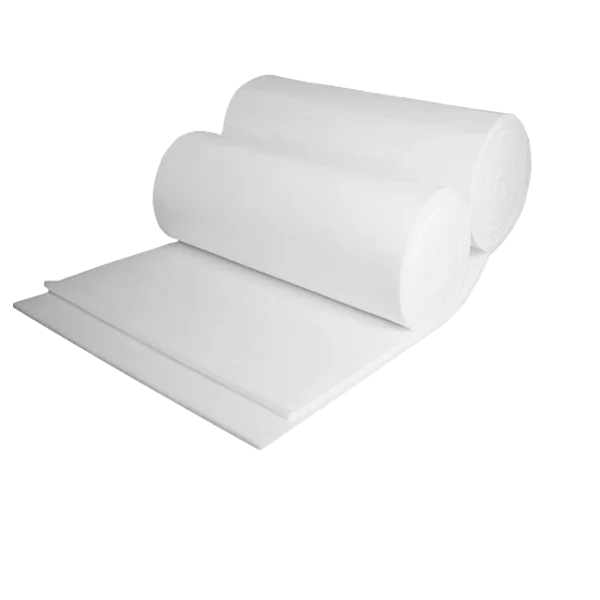
As the name suggests, the coarse air filter is the most common and widely used type. Its frame is made of moisture-resistant cardboard or non-deformable metals such as stainless steel. The filter layer is composed of synthetic and artificial fibers, and the pleated (folded) construction increases the filtration area and improves filtration precision.
Coarse air filters are already very common and inexpensive, offering good value for money. Today — whether in schools, homes, factories, or offices — they are the default choice for air filtration. Although a coarse filter provides only basic filtration at relatively low precision, it captures the most common dust and suspended particles in the air quite effectively, delivering noticeably cleaner air that satisfies the needs of most users.
Medium-Efficiency Air Filters
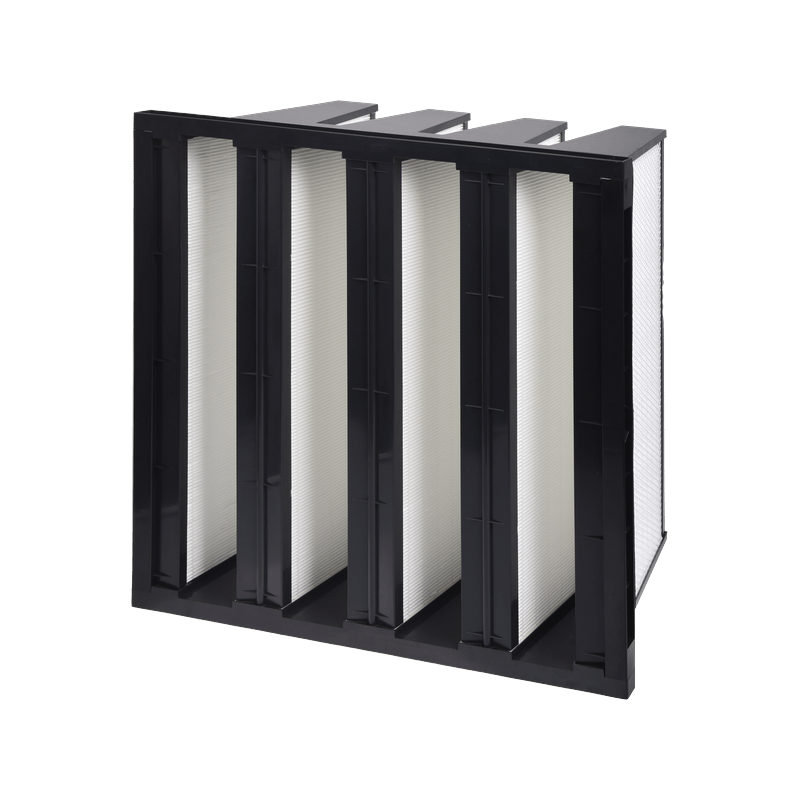
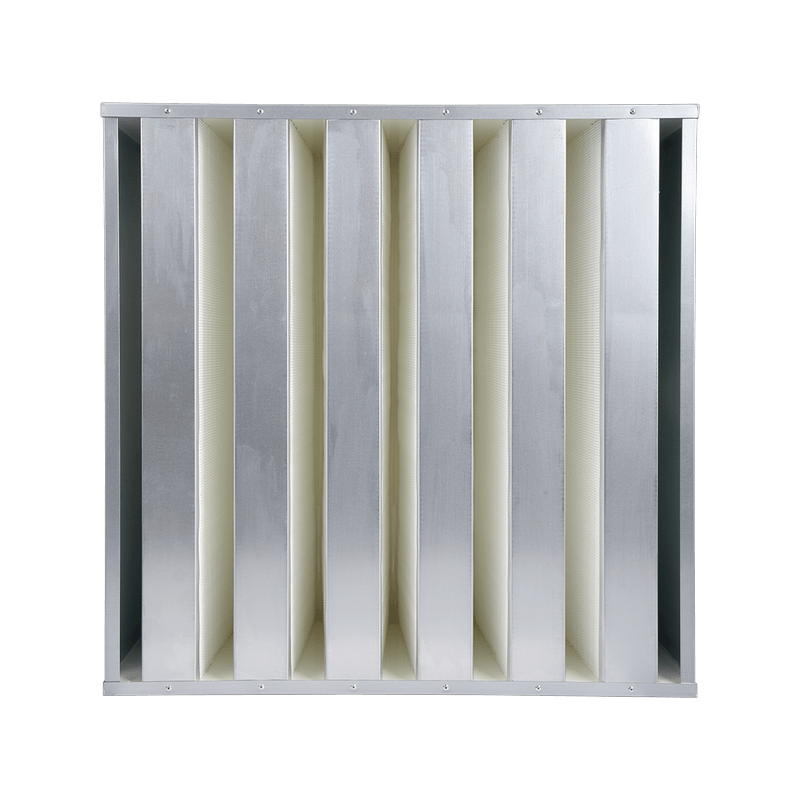
Medium-efficiency air filters are mainly used in central-air-conditioning (HVAC) systems and in cleanroom / process filtration for biopharmaceutical, electronics, food, and similar industries. They are also typically installed upstream of HEPA filters to shield the latter from heavy loading, extending the HEPA filter’s service life. Compared with other filter types, one of the medium-efficiency filter’s biggest advantages is its large face area, which translates into a high dust-holding capacity.
Medium-efficiency air filters capture suspended particles and aerosols of 1–5 µm, tolerate temperatures up to 80 °C, and offer the benefits of high airflow, low resistance, large dust-holding capacity, and reusability.
HEPA (High-Efficiency) Air Filters
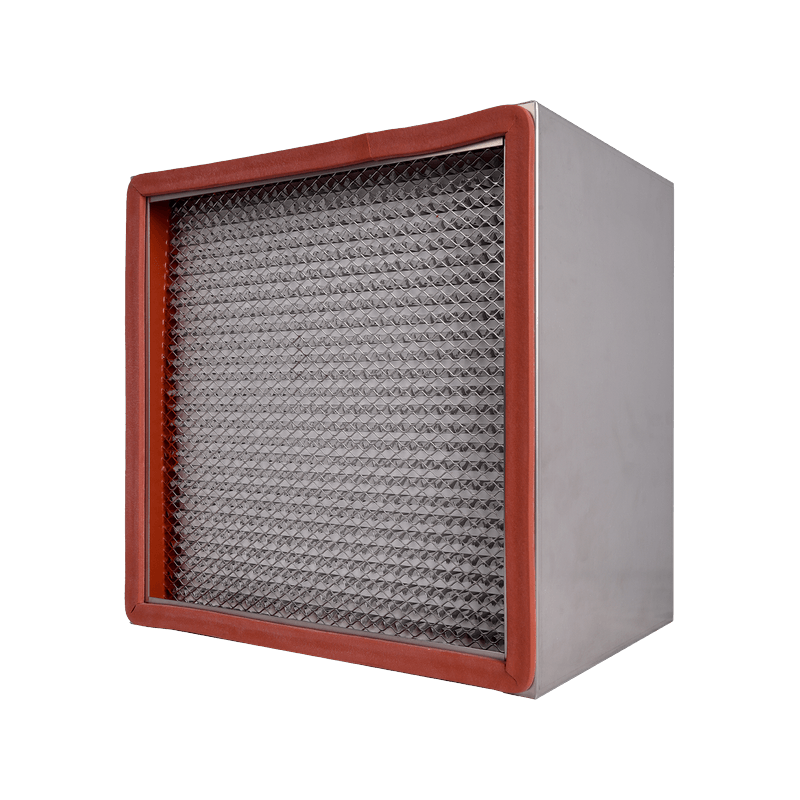
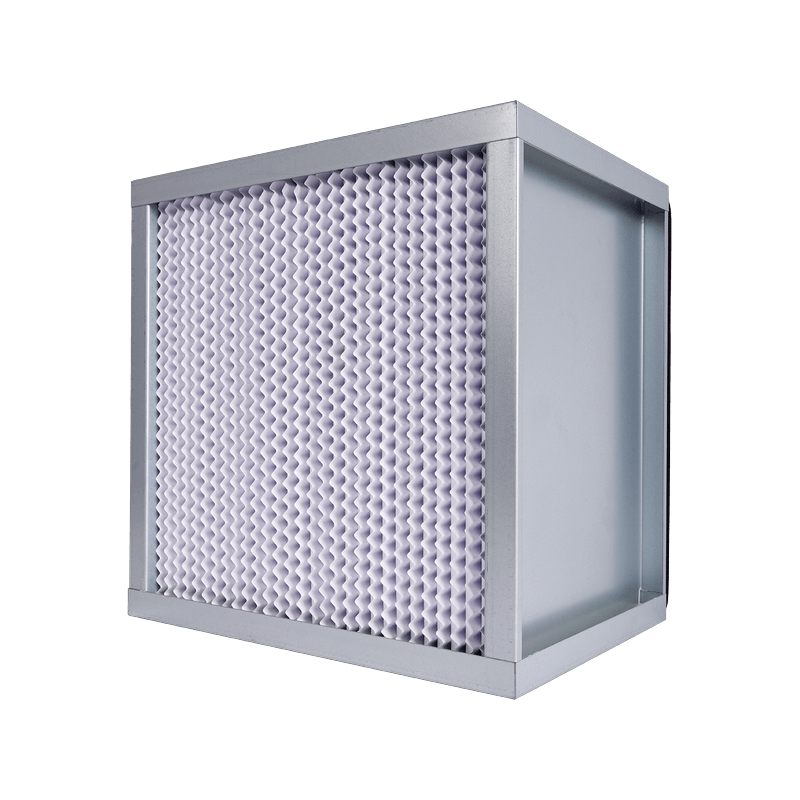
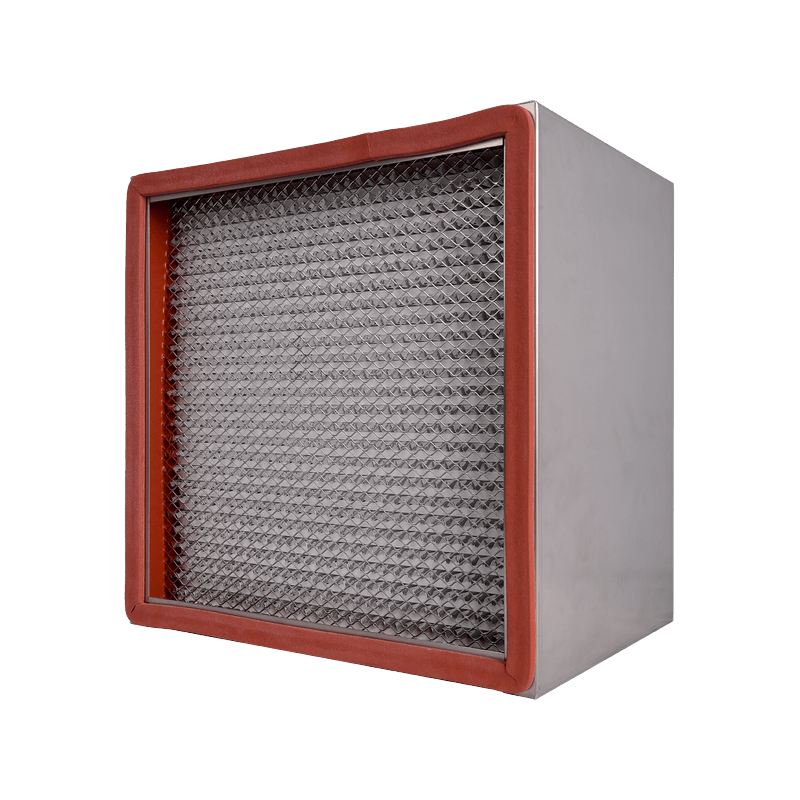
HEPA filters deliver the highest precision, capturing suspended particles and airborne impurities as small as 0.5 µm. The filter media uses ultrafine glass fiber to guarantee filtration precision. The multi-pleat (pleated) design increases the filtration area and airflow while lowering the filtration resistance. When selecting a HEPA filter, the working-area size should be determined according to the required airflow.
Air-Filter Replacement Intervals
For the convenience of procurement and facility managers, I’ve compiled this comparison table based on a standard industrial environment:
| Filter grade | Representative model | Typical location | Recommended replacement interval (with good pre-filtration) | Harsh environment (high dust / no medium stage) |
| Coarse | G3 / G4 | AHU intake | 1–3 months | Within 1 month |
| Medium-efficiency | F7 / F8 | AHU intermediate section | 6–12 months | 3–6 months |
| HEPA | H13 / H14 | Cleanroom terminal outlet | 18–24 months | 6–12 months |
In short, you must choose the right filter for your requirements and application scenario. Medium-efficiency filters can be washed and should be cleaned periodically based on actual use — this reduces the workload on the HEPA filter and extends its service life. That’s all for today’s sharing; we hope it helps!