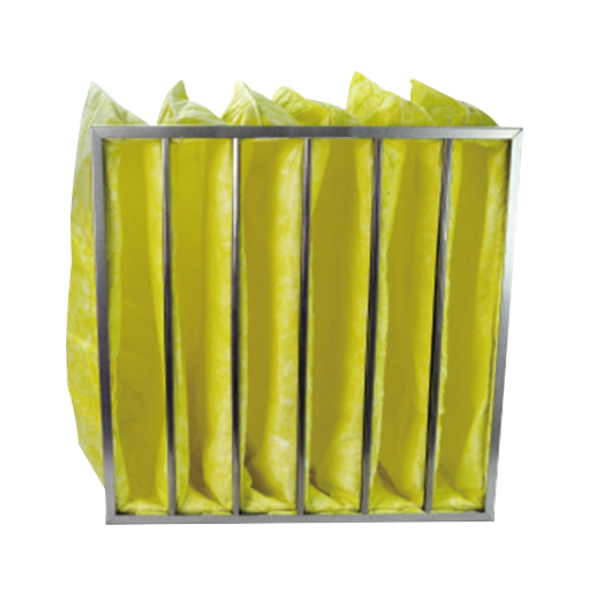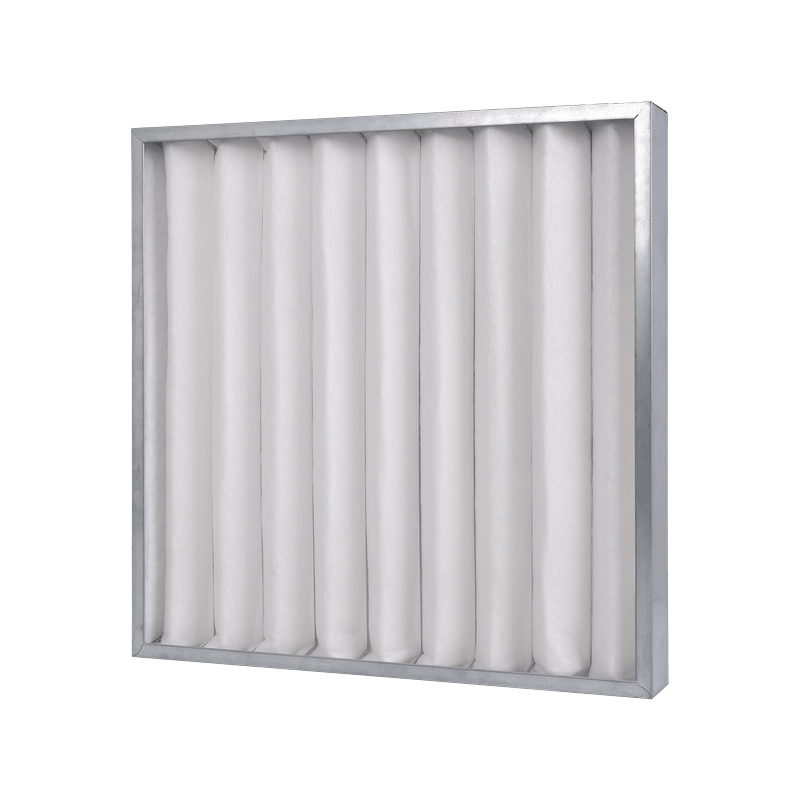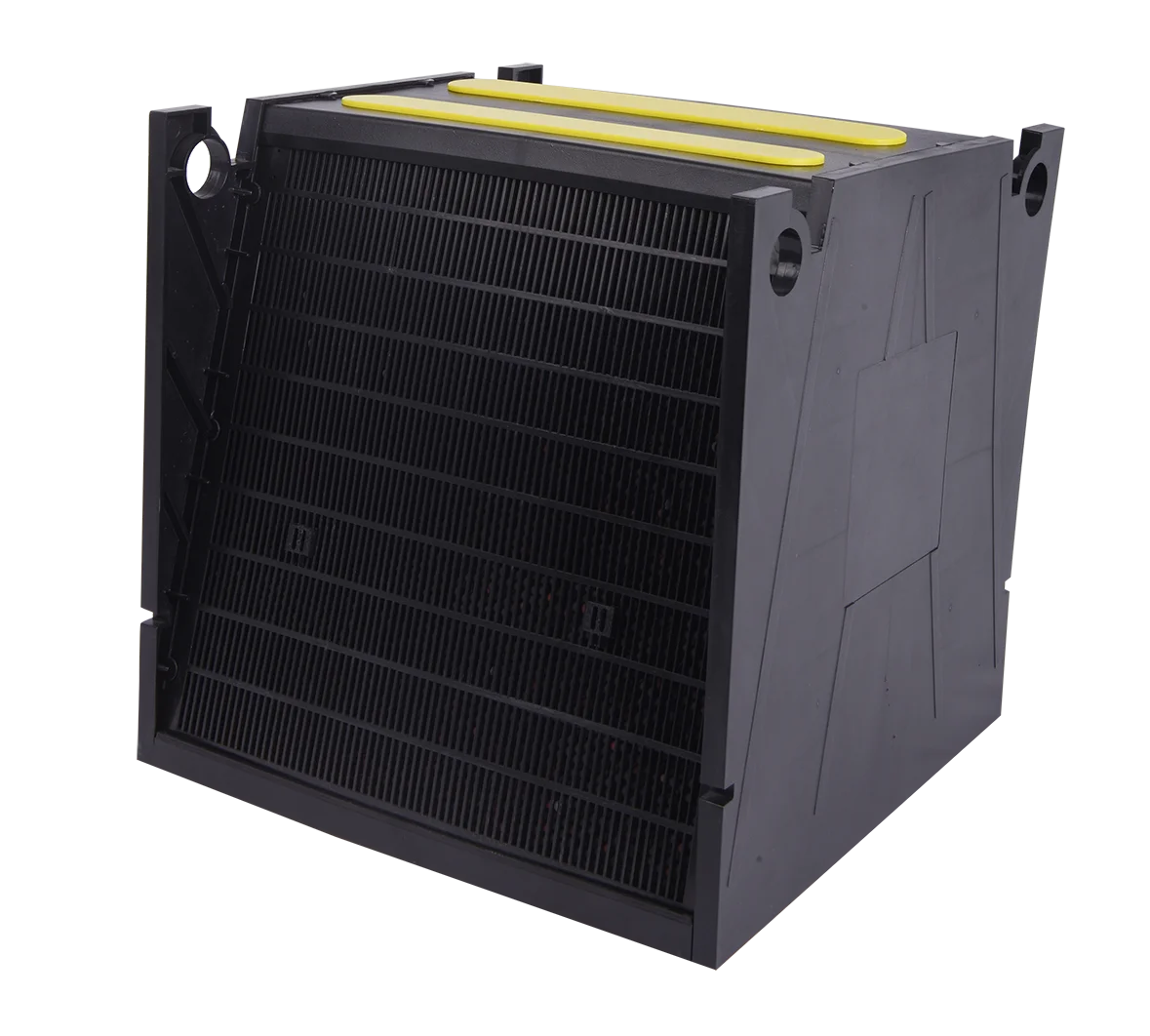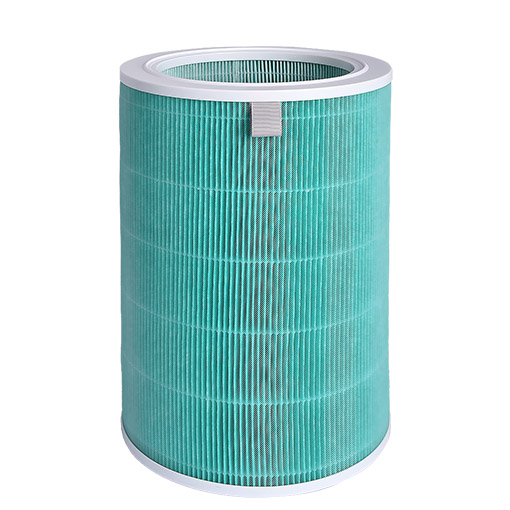
Filter media / composite filter media / basalt composite filter media
On a typhoon day, keeping windows shut lets indoor PM2.5, bacteria, and VOCs build up, while conventional filter media suffer in the heat and humidity. A team at the Chinese Academy of Sciences built a three-in-one media — a biodegradable Lyocell skeleton,, basalt resistant to 250°C, ZIF-8 nanoshield intercepts 97.72% of PM0.3, antibacterial efficiency exceeds 99.8%, strength increases by over 130%, solving filter core challenges in extreme environments.
Recently Typhoon “White Dolphin” swept in with real force. To keep the wind out, many of us batten down the doors and windows and run the air conditioner and air purifier around the clock. But you’ve probably noticed: even with the purifier running, there’s still a stuffy, dusty smell — and after a while in the room you start to feel dizzy or your rhinitis flares up.
It’s not your imagination. The low pressure of a typhoon reduces air movement; with the windows closed, indoor PM2.5, bacteria, and volatile organic compounds (VOCs) easily get “trapped” inside. Worse still, conventional filter media often fall short in the hot, humid extremes of a typhoon [91].
So someone asks: isn’t there a filter media that can both shrug off a typhoon day’s stuffiness and humidity and efficiently intercept fine dust and bacteria?
In 2024, a team led by Prof. Peng-Cheng Ma at the Xinjiang Technical Institute of Physics and Chemistry, Chinese Academy of Sciences, published a study in the top environmental-materials journal Journal of Hazardous Materials — “Eco-friendly and highly efficient PM0.3 air filter made from nonwoven basalt fiber and electrospun nanocellulose fiber” — that may offer the perfect line of thinking. Today we’ll let the data speak, and break down just how hard-core this “black technology” really is.
01. Why do conventional filters “strike” on a typhoon day?
To appreciate what’s clever about this new technology, you first have to know the weak points of conventional media.
Most consumer air-purifier cartridges are made of polypropylene (PP) meltblown nonwoven or ordinary cellulose paper. They’re cheap, but they have two fatal flaws:
- They fear heat and moisture:On a typhoon day the humidity is high; once a conventional medium absorbs moisture it softens, collapses, and can even grow mold — and the air it blows out carries a sour, musty smell.
- They intercept but don’t kill:Conventional media rely mainly on physical interception of dust and are largely helpless against bacteria, viruses, and harmful gases (such as formaldehyde and toluene).
This CAS study was designed precisely to solve those pain points. The team fused three seemingly unrelated materials into one through a wet-laid forming process.
02. The “three-in-one” black technology: a flexible skeleton + a heat-resistant armor + a nano antibacterial shield
The core of the technology is a “trinitarian” protection system:
1. Flexible skeleton — Lyocell fiber
Lyocell is a regenerated cellulose fiber; think of it as the “muscle” of the filter media. It gives excellent flexibility, so the media won’t tear under the blower’s scouring airflow. More importantly, it’s a natural biomass: after 21 days of soil burial its mass loss reaches 32.2%, so it is genuinely biodegradable and leaves no “white pollution” for the planet.
2. Heat-resistant armor — Basalt fiber.
Basalt fiber is an inorganic fiber drawn from natural volcanic rock, hailed as a “green industrial material of the 21st century.” Adding it is like putting a “bulletproof vest” on the media. Test data show the composite stays stable at 250 °C, so there’s no worry about deformation in a typhoon day’s stuffiness or other extreme duty.
3. Nano antibacterial shield — ZIF-8 metal–organic framework.
This is the most “high-tech” part. The team grew ZIF-8 nanoparticles in situ on the fiber surface. This material has an enormous specific surface area and adsorbs pollutants like countless tiny magnets.
- Intercepting fine dust: for the hardest-to-capture PM0.3 particles, filtration efficiency reaches 97.72%.
- Adsorbing toxic gases: SO₂ adsorption rises by about 93%, and toluene (a common renovation pollutant) adsorption by about 111.5%.
- Active killing: ZIF-8 continuously releases zinc ions (Zn²⁺), giving an antibacterial rate above 99.8% against common pathogens such as E. coli and Staphylococcus aureus.
03. The data don’t lie: a dual leap in strength and efficiency
Talk is cheap — let’s go straight to the lab comparison:
| Performance metric | Conventional pure-cellulose media | LC/BF@ZIF-8 composite media | Improvement |
| PM0.3 filtration efficiency | lower | 97.72% | significantly better than conventional media |
| Burst / tear strength | prone to tearing | markedly increased | strength up >130% |
| Toluene adsorption | weak | strong | up ~111.5% |
| High-temperature resistance | softens easily | stable at 250 °C | adapts to extreme duty |
| Antibacterial rate | none / weak | broad-spectrum antibacterial | >99.8% |
04. From “usable” to “good”
In the past we may have chosen an air purifier by looking only at its CADR (Clean Air Delivery Rate). But extreme scenarios like typhoon days and the humid “return-of-spring” season tell us that a filter media’s stability, antibacterial performance, and environmental adaptability matter just as much.
This CAS study points the way for air-filtration materials: future cartridges must not only filter cleanly, but also be tough, antibacterial, and adaptable to complex environments.
Back to everyday life. Although it will take time for cutting-edge lab technology to reach consumer products, that doesn’t stop us from pursuing better breathing quality. On a typhoon or hazy day, whether a purifier works well often comes down not to the machine itself, but to whether you’ve chosen a trustworthy filter cartridge.
The filter market is crowded with options. As a source manufacturer that has worked in this industry for years, LANSIR (Lanshan Environmental Technology) knows exactly what makes a good filter cartridge: whether it’s the solidity of the material or its ability to capture fine particles, nothing can be left to chance.
If you’d rather not puzzle over complex parameters and just want to swap in a cartridge that is “solidly built and reliably filters,” consider LANSIR. We don’t play games — we only make products that let your family breathe with peace of mind.