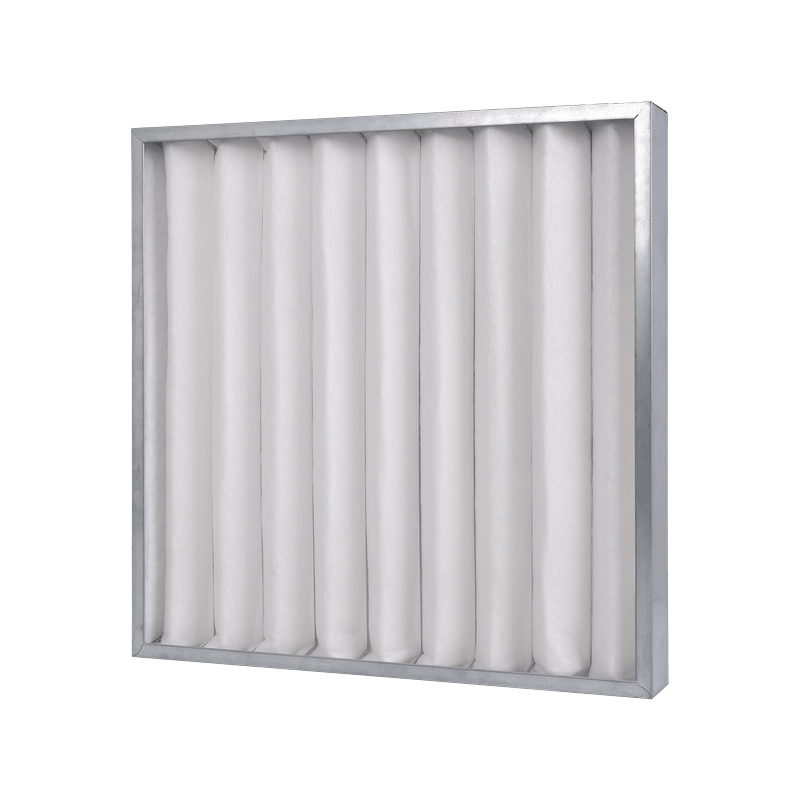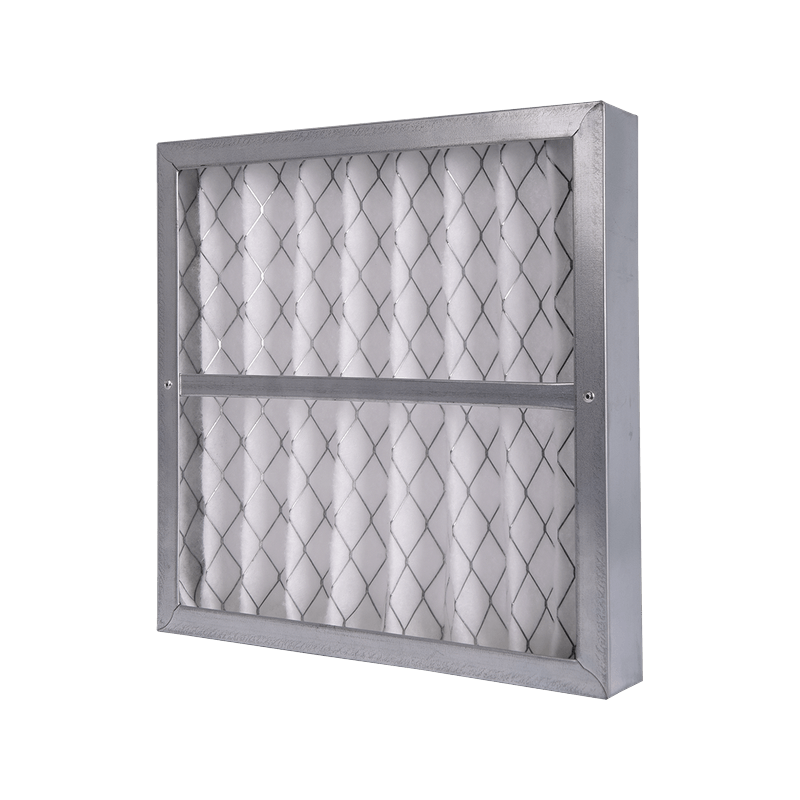
Air-purifier secondary pollution · why an air-purifier filter smells sour · antibacterial + formaldehyde-removing dual-function filter
After the plum-rain season, high humidity combined with air-conditioner condensate turns purifier filters into a microbial breeding ground. When relative humidity exceeds 60%, HEPA media become a mold incubator; saturated activated carbon desorbs. Together they produce the sour/acidic odor and secondary pollution — empirical data show bacterial counts of up to 8.8 CFU/cm² on the upstream face of the filter membrane. Recommendation: inspect monthly, run a dehumidifier, replace the cartridge every 3 months, and choose antimicrobial filter media.
Ⅰ. The Hidden Risks of Air Purifiers in a Hot, Humid Summer
The 2026 plum-rain (Meiyu) season across the middle and lower reaches of the Yangtze River ended in mid-July. Yet meteorological data show that, well into August, most of the country remained in a hot, humid “sauna-like” pattern, and the heavy rainfall brought by typhoon activity kept indoor relative humidity above 60% for prolonged periods.
At the same time, the heavy summer use of air conditioning creates a marked temperature difference between indoors and outdoors, so the inside of the air purifier — especially the filter zone — easily produces condensate, providing an extra source of moisture for microbial growth. This means that even though the plum-rain season is over, the purifier still faces a microbial risk in summer very similar to that during the rains, and in some conditions it is even more severe.
Worth noting: after a full month of “soaking” in the high humidity of the plum-rain season, a substantial microbial load may already have built up inside the filter. As temperatures rise further in August, the metabolic activity of the microbes on the filter becomes more active, and users are more likely to notice a sour or musty odor from the outlet — which is often a clear signal that the filter is overloaded and urgently needs inspection or replacement.
II. Microbial Growth Mechanism and Empirical Evidence of HEPA Filters Under Hot, Humid Conditions
(1) Mechanism Analysis
A high-efficiency particulate air (HEPA) filter captures airborne particulates — including mold spores and bacteria — through the microporous structure formed by its interwoven fibers. This mechanism works well in dry conditions, but changes markedly when relative humidity stays high.
Studies confirm that once relative humidity reaches above 60%, the microbes trapped on the fibrous media have the basic conditions for growth and reproduction. At 60%, 80%, or near-100% relative humidity, the microbial community collected on the filter can keep growing and multiplying in a favorable environment. The dust intercepted on the filter provides an organic nutrient source for microbes, while the damp fibrous matrix forms an ideal culture substrate. Together, the HEPA filter is transformed from a mere physical barrier into an active surface on which microbes can colonize and amplify.
(2) Empirical Evidence
01. Mold detection on HEPA filters from the homes of children with atopic dermatitis
A 2014 study published in the journal Mycobiology systematically tested the HEPA filters of three air purifiers from the homes of children with atopic dermatitis for mold. The mold colony-forming-unit (CFU) results for the three filters are shown in Table 1.
| Filter Mesh Number | Mold Concentration (CFU/cm²) | 95% Confidence Interval |
| HEPA-A | 651 | 587–715 |
| HEPA-B | 872 | 789–955 |
| HEPA-C | 971 | 882–1,060 |
From these filters the study isolated a total of 2,494 mold isolates, identifying the genera Aspergillus, Penicillium, Alternaria, Cladosporium, and Trichoderma. Among them, Cladosporium cladosporioides was the most common dominant species across all three filters. Notably, a considerable portion of these genera are recognized in medicine as common inhalant allergens, posing a clear health risk to patients with asthma and allergic rhinitis.
02. A cross-sectional survey of 65 HEPA-type air purifiers
A 2017 study published in the Journal of Environment and Health conducted a cross-sectional survey of 65 residential HEPA-type air purifiers, with the following key findings:
| Investigation Indicators | Result |
| Median Filter Membrane Installation Time | 350 days |
| Median Actual Usage Time | 40 days |
| The proportion of households that have cleaned filter membranes | 20%(13/65) |
| Median of total mold count before the filter membrane | 0.8 CFU/cm² |
| Median of total mold count after membrane filtration | Not Detected |
The difference in total mold count between the front and back of the filter membrane was statistically significant (Z = −5.098, P < 0.01), and the two were positively correlated (rs = 0.352, P < 0.01).
Partial-correlation analysis further showed:
- Total mold count on the front of the membrane was positively correlated with actual usage time (rs = 0.340, P < 0.01);
- Total mold count on the back of the membrane was likewise positively correlated with actual usage time (rs = 0.459, P < 0.001);
- Total mold count on the back of the membrane was negatively correlated with whether the filter had been cleaned/maintained (rs = −0.269, P < 0.05).
The study concluded that mold contamination on the front of the filter membrane was significantly more severe than on the back, and that actual usage time and cleaning/maintenance status were the two main factors affecting the mold count on the filter.
A parallel study on the same 65 purifiers also found that 56 bacterial species were identified on the filter-membrane surface, with a median total bacterial count of 8.8 CFU/cm² on the front of the membrane versus 0.4 CFU/cm² on the back — a statistically significant difference (Z = −5.264, P < 0.001).
III. “Interception–Accumulation–Release”: The Mechanism and Risk of Secondary Pollution
The essential function of a HEPA filter is physical interception, not biological kill. Microbes trapped on the filter can not only survive under favorable conditions but also keep multiplying. When the fan’s operating state changes (e.g., starting/stopping, switching fan speed) or the microbial accumulation on the filter surface reaches a certain level, some microbial cells, spores, or metabolites may break free of the fiber bonds and be re-released into the indoor air with the airflow, forming the so-called “secondary pollution”.
The danger of this process lies in its cyclic amplification: as the microbial concentration released into the indoor air rises, it is drawn back in and re-intercepted by the purifier, further increasing the microbial load on the filter. This “interception–accumulation–release–re-interception” cycle can cause the concentration of microbial aerosols in the indoor air to rise rather than fall during purifier operation.
An industry testing report found that a purifier used for one year could harbor 32 species of fungi and 17 species of bacteria inside the unit, with allergen concentrations of Alternaria and Aspergillus reaching up to 12 times those of the outdoor environment. Although this figure comes from an industry test rather than a formally peer-reviewed academic journal, the microbial-diversity problem it reveals is consistent with the academic findings above.
IV. Adsorption Saturation and Desorption Risk of the Activated-Carbon Stage
Besides the HEPA filter, the activated-carbon stage inside the purifier also suffers performance decay under high temperature and humidity. Activated carbon adsorbs gaseous pollutants such as formaldehyde mainly by physical adsorption, and its specific surface area and micropore volume determine the upper limit of adsorption capacity.
Studies indicate that when the amount adsorbed reaches about 35% of the activated carbon’s own weight, its surface pores are essentially occupied by organic molecules and adsorption capacity approaches saturation. Once saturated, if conditions change — temperature rise, increased humidity, or airflow disturbance — the adsorbed gaseous pollutants such as formaldehyde may overcome the van der Waals forces and re-desorb from the carbon pores; this process is “desorption” and constitutes another source of secondary pollution.
The Activated-Carbon Product Quality Risk-Monitoring Report issued by the Suzhou Municipal Market Supervision Administration in 2021 explicitly states that activated carbon can only adsorb formaldehyde in a single direction, and that after a period of time adsorption becomes saturated; if not replaced promptly, desorption and secondary pollution readily occur.
Under the high-temperature, high-humidity summer environment, the release risk of pollutants adsorbed in saturated activated carbon is further aggravated by moisture and heat. These desorbed gaseous pollutants, mixed with hydrogen sulfide, ammonia compounds, and volatile organic acids produced by microbial metabolism on the filter, form the combined source of the “sour/acidic odor” or “musty smell” that users perceive.
V. Evidence-Based Usage and Maintenance Recommendations
Based on the mechanism analysis and empirical data above, when using an air purifier in a hot, humid summer environment, consider the following:
(1) Inspect filter condition regularly
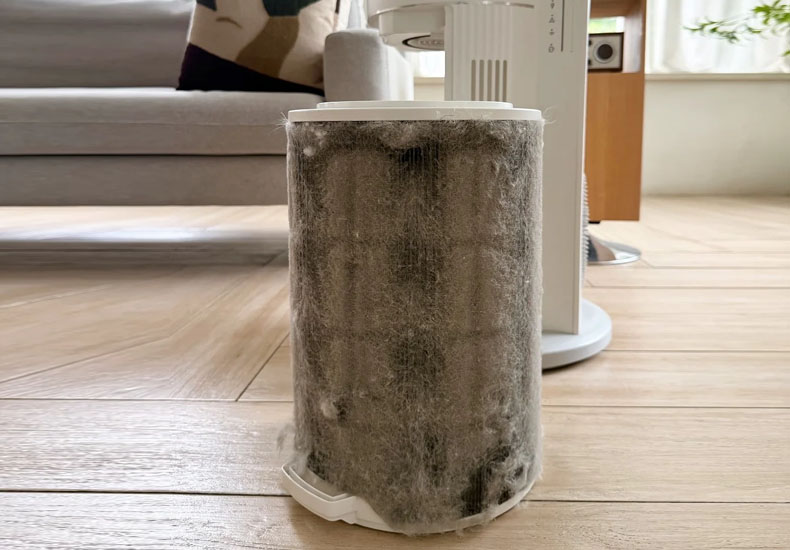
Open the filter cover for a visual check and a smell test every month. If you notice a distinct sour or musty odor, or see visible mold spots on the filter surface or a marked darkening (to a gray-black color), replace the filter promptly. The 65-purifier survey showed that total mold count on the filter is significantly positively correlated with actual usage time, so regular inspection is an effective way to catch problems early and prevent secondary pollution from spreading.
(2) Run with a dehumidifier
The U.S. EPA recommends keeping indoor relative humidity below 60%, with an ideal range of 30%–50%. In humid summer weather, using an air purifier alone cannot solve the humidity problem; it is recommended to run the purifier together with a dehumidifier, keeping indoor humidity around 50% to cut off microbial growth on the filter at the source.
(3) Replace on schedule, avoid overdue use.
During the plum-rain season and the humid summer, the filter load rises sharply, so it is recommended to shorten the replacement interval to 3 months. Judging replacement need by visual inspection alone is not fully reliable — some microbe-laden filters show no obvious abnormality in appearance. Combine the equipment’s usage duration with the ambient humidity, and replace proactively on schedule.
(4) Pay attention to the antimicrobial / anti-fungal treatment of the filter media.
Ordinary HEPA filters without antimicrobial treatment more easily become a microbial breeding ground in humid conditions. Choosing filter media with an antimicrobial and anti-fungal treatment — such as products using the Swiss Sanitized® antimicrobial technology — can effectively inhibit the colonization and multiplication of mold spores on the filter surface, reducing microbial-contamination risk at the material level.
VI. Conclusion
The microbial growth and secondary-pollution problem of air purifiers in hot, humid summer environments is well supported by both mechanism and empirical evidence. Microbes intercepted by the HEPA filter can multiply substantially under hot, humid conditions, and the activated-carbon stage carries a desorption risk after adsorption saturation; together they constitute a hidden hazard in summer operation.
The outlet odor users perceive after the plum-rain season is not subjective imagination but an objective signal of filter deterioration. Regular inspection, scientific maintenance, and timely filter replacement are the necessary measures to ensure that the air purifier keeps performing its proper function through the summer.