Air Purifiers; air-purifier usage tips; optimal placement distance; when to run a PM2.5 air purifier
Proper use of an air purifier comes down to ten key operating details. They cover when to switch it on (by pollution level), seasonal pairing with a humidifier, routine cleaning and filter replacement (watching the indicator light or the filter’s color), monitoring purification performance, safety precautions (shock and fire prevention), placement (away from walls and at a sensible distance from people), the priority of natural ventilation, and the caution that formaldehyde-removal models should not run for long periods when no one is around.
Why the Details Matter
As one of the main products for delivering clean air, an air filter must be operated with attention to detail. Doing so not only ensures correct use and that the unit reaches its intended filtration efficiency, but also extends the service life of the filter.
The Ten Details
- Switch on according to the pollution level:For a purifier that targets PM2.5 pollution, it is best used when outdoor air pollution is severe or indoor air is polluted, which guarantees good purification. When outdoor air quality is good, there is no need to keep the purifier running for long periods.
- Pair it with a humidifier in summer and winter:In summer and winter, using the air purifier together with a humidifier yields the best results.
- Clean and maintain it promptly:When the signal light comes on, it means the dust-collection plates are full and need washing — this applies to electrostatic-precipitator units with washable collecting-electrode plates.
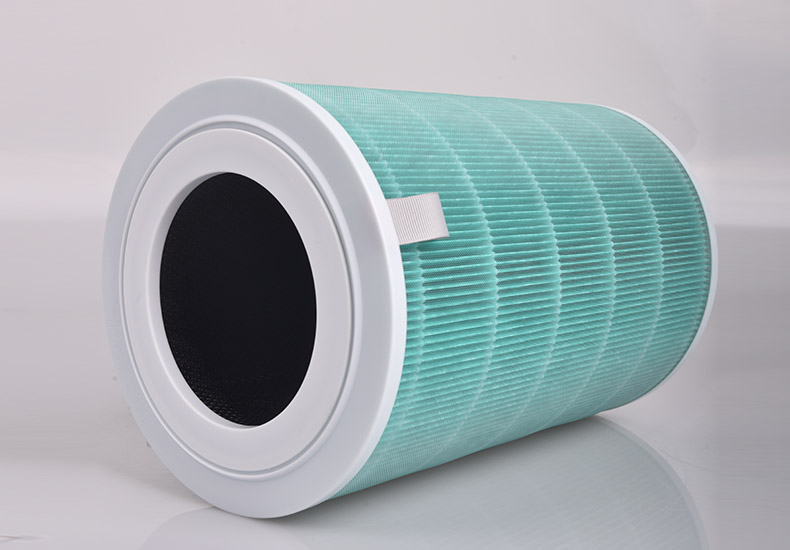
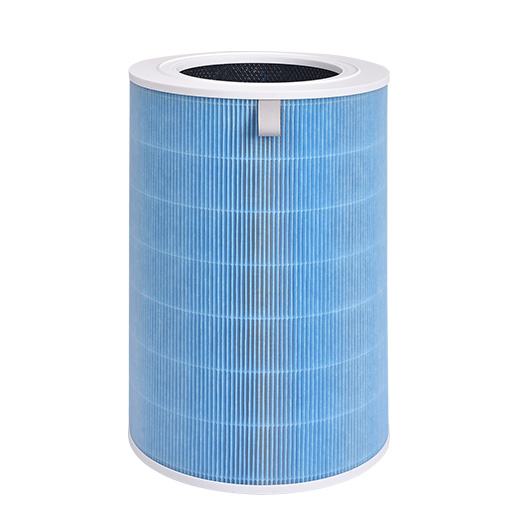
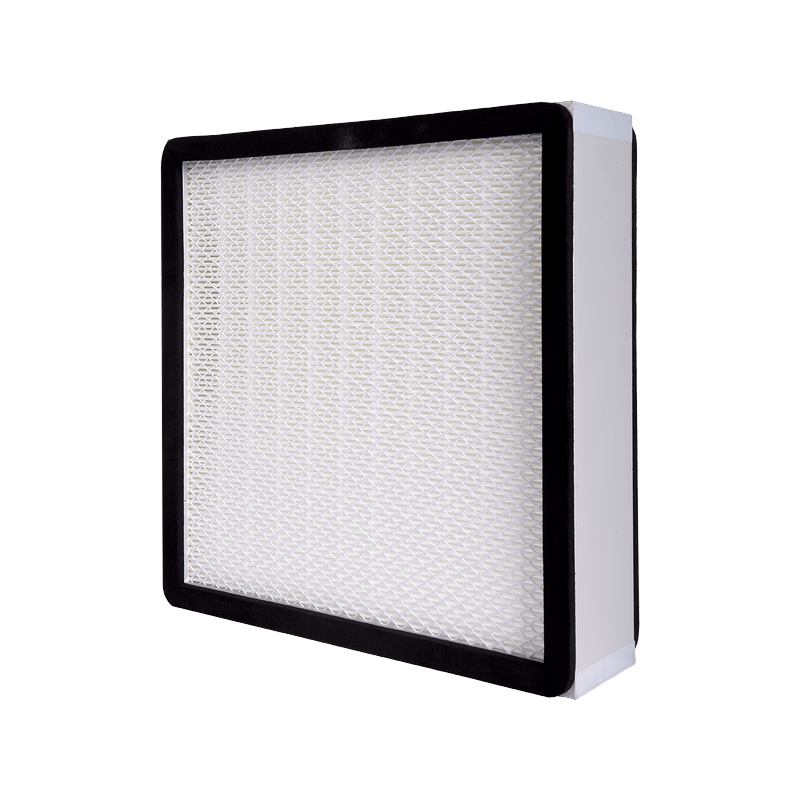
- Watch the filter-replacement indicator on HEPA units:For purifiers with high-efficiency (HEPA) filtration, check the filter-replacement indicator light regularly. If there is no indicator, open the unit to inspect the filter; if the filter has turned black, replace it immediately.
- Monitor the purification performance:During use, keep an eye on how well the unit is cleaning the air. If performance drops noticeably, or you notice an odor after switching it on, replace the filter media and clean the filter promptly.
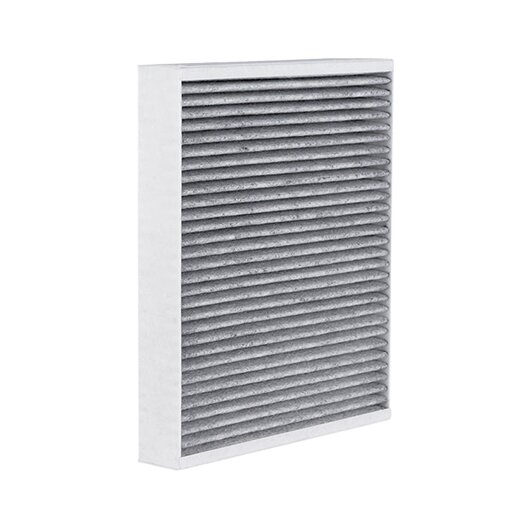
- Use it safely:For electrostatic-precipitator (electrostatic-adsorption) air purifiers, keep children from touching them directly because of the high voltage, to prevent electric shock. Keep activated-carbon filters and HEPA filters away from fire sources during use, and avoid letting a smoker’s cigarette butt get drawn in, to prevent fire.
- Place it well:Try not to put the purifier against a wall or furniture. It is best in the center of the room, or at least 1 meter (about 3 feet) away from the wall during use.
- Don’t place it too close to people:Ordinary purifiers should not sit too near the body, because the air around the unit contains relatively more harmful gases. A smoke-removal purifier can be placed a bit closer to the smoker.
- Ventilate instead, when you can:If the room can be ventilated by opening windows, don’t use the air purifier — but watch the outdoor air-pollution level when you open them.
- Don’t run formaldehyde-removal models unattended for long:As a general rule, when no one is in the room, avoid running a formaldehyde-removal air purifier for extended periods [27].
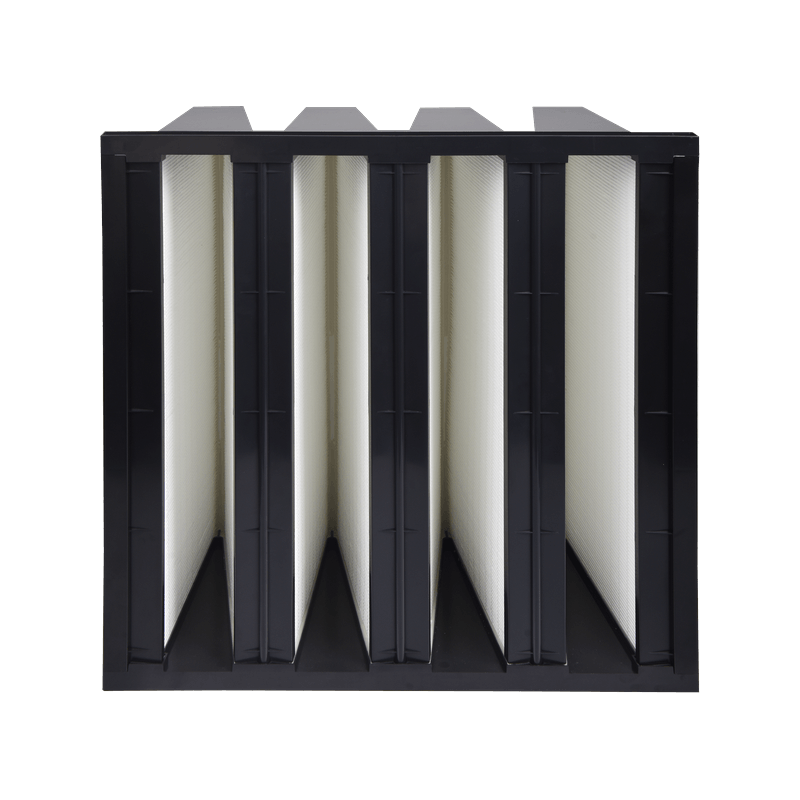
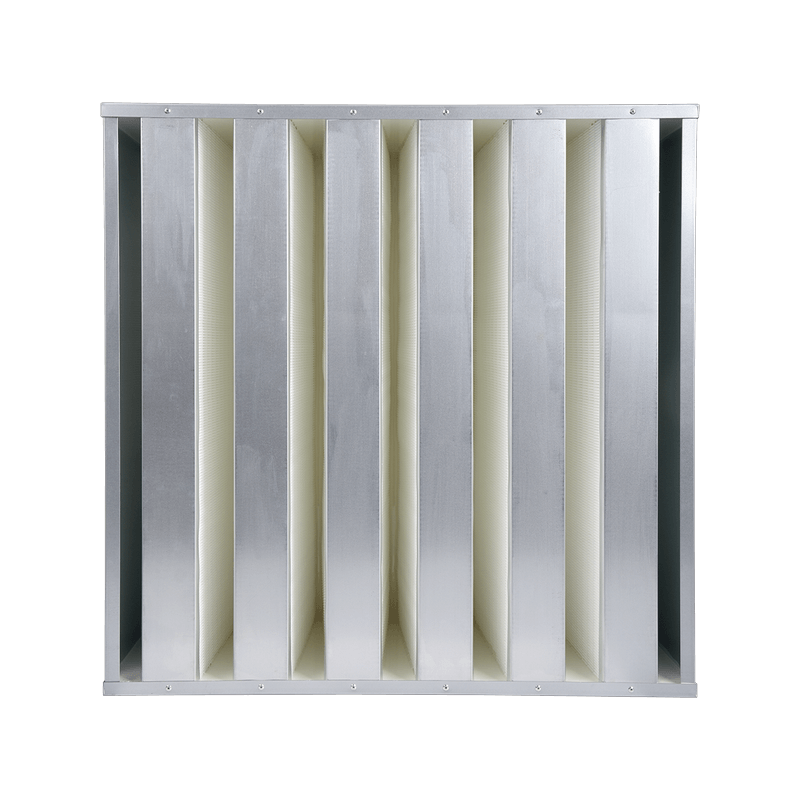
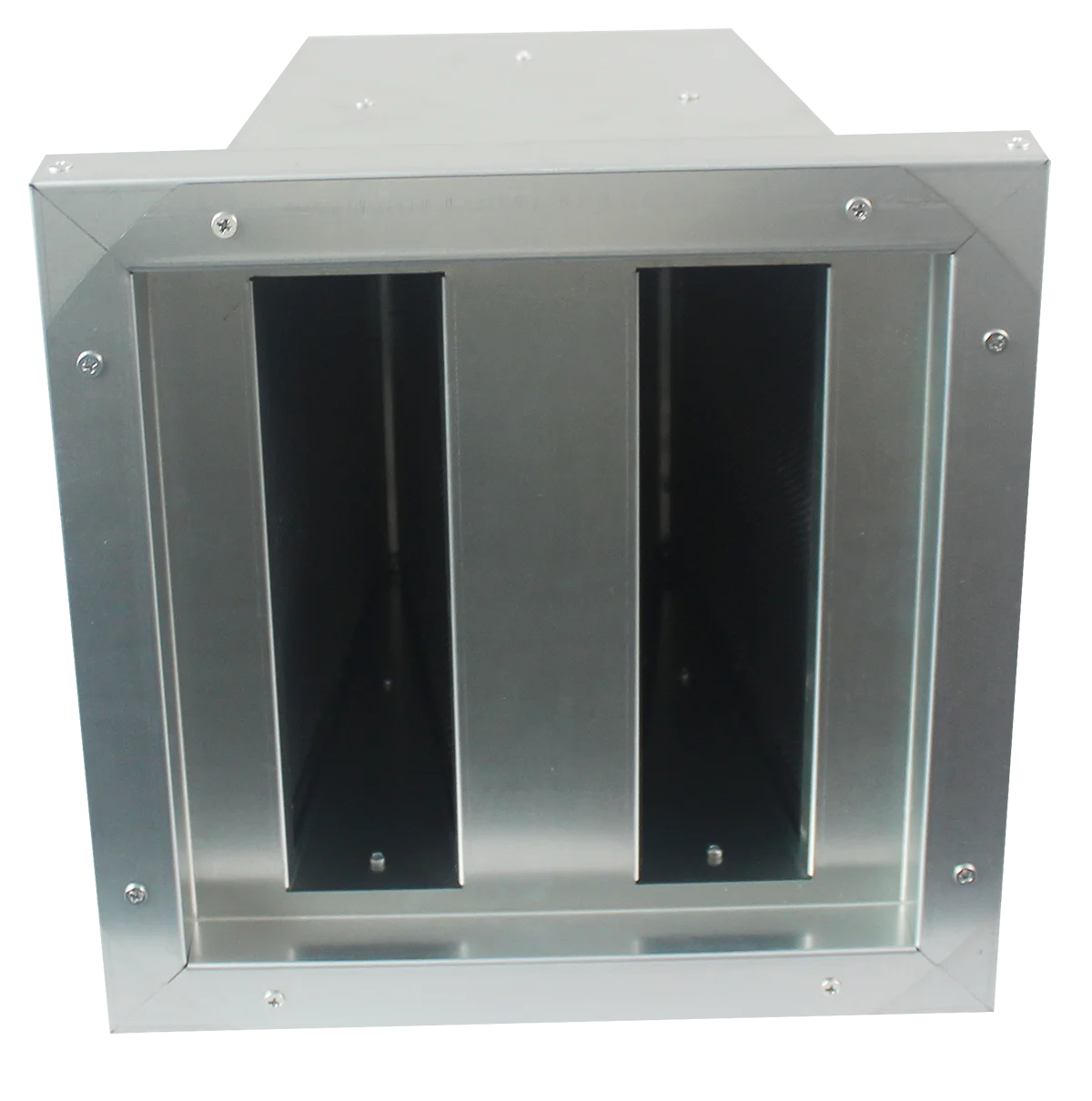
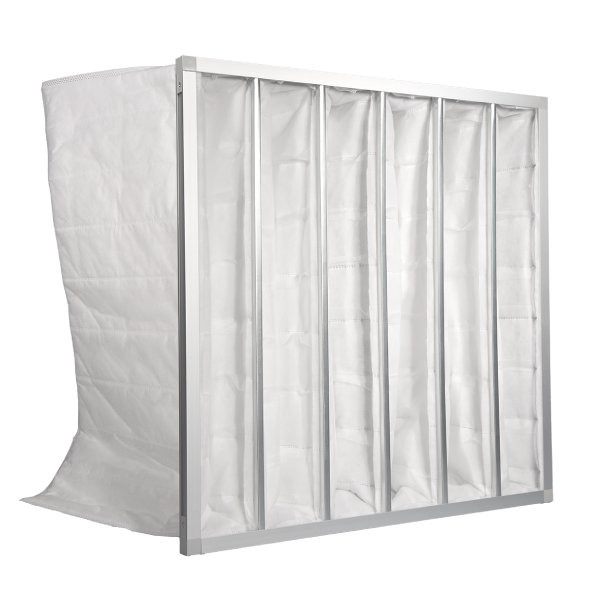
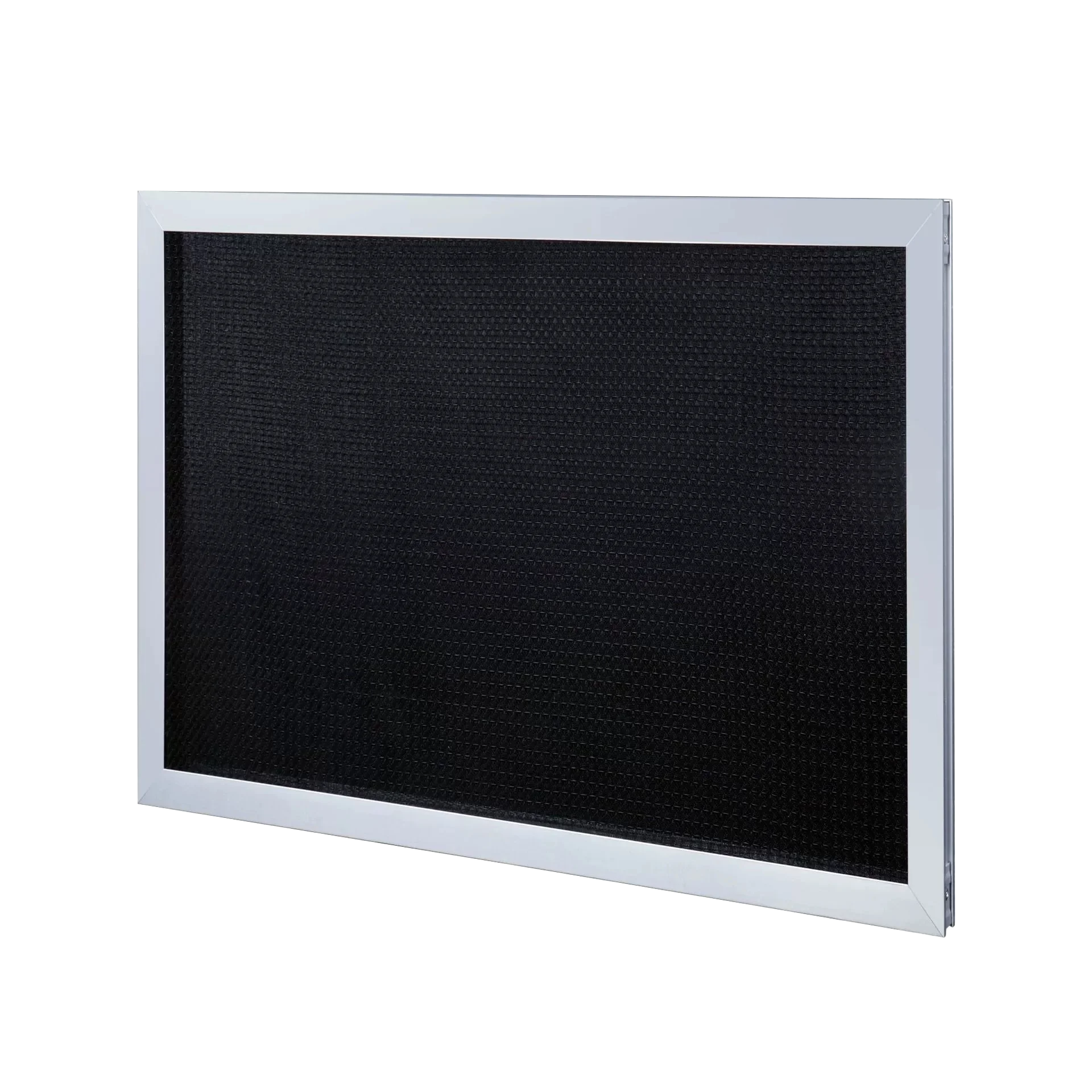
LANSIR (Lanshan Environmental) air-purifier filters provide an efficient filtration barrier for indoor-air-purification scenarios and a solid safeguard for the continuous improvement of healthy living environments. LANSIR is committed to providing customized filter configurations for homes, offices, medical institutions, and educational spaces, bringing clean-air technology closer to everyday needs.