Chemical filters · the role of activated carbon’s specific surface area · one-stop industrial filtration solutions
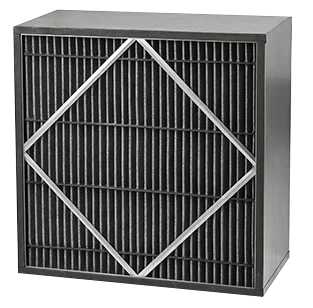
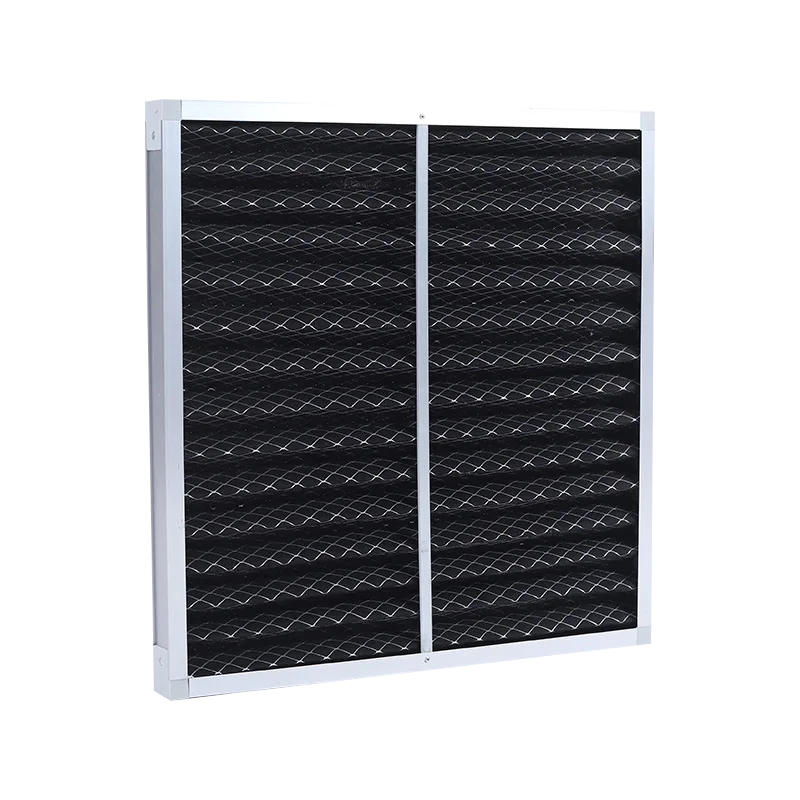
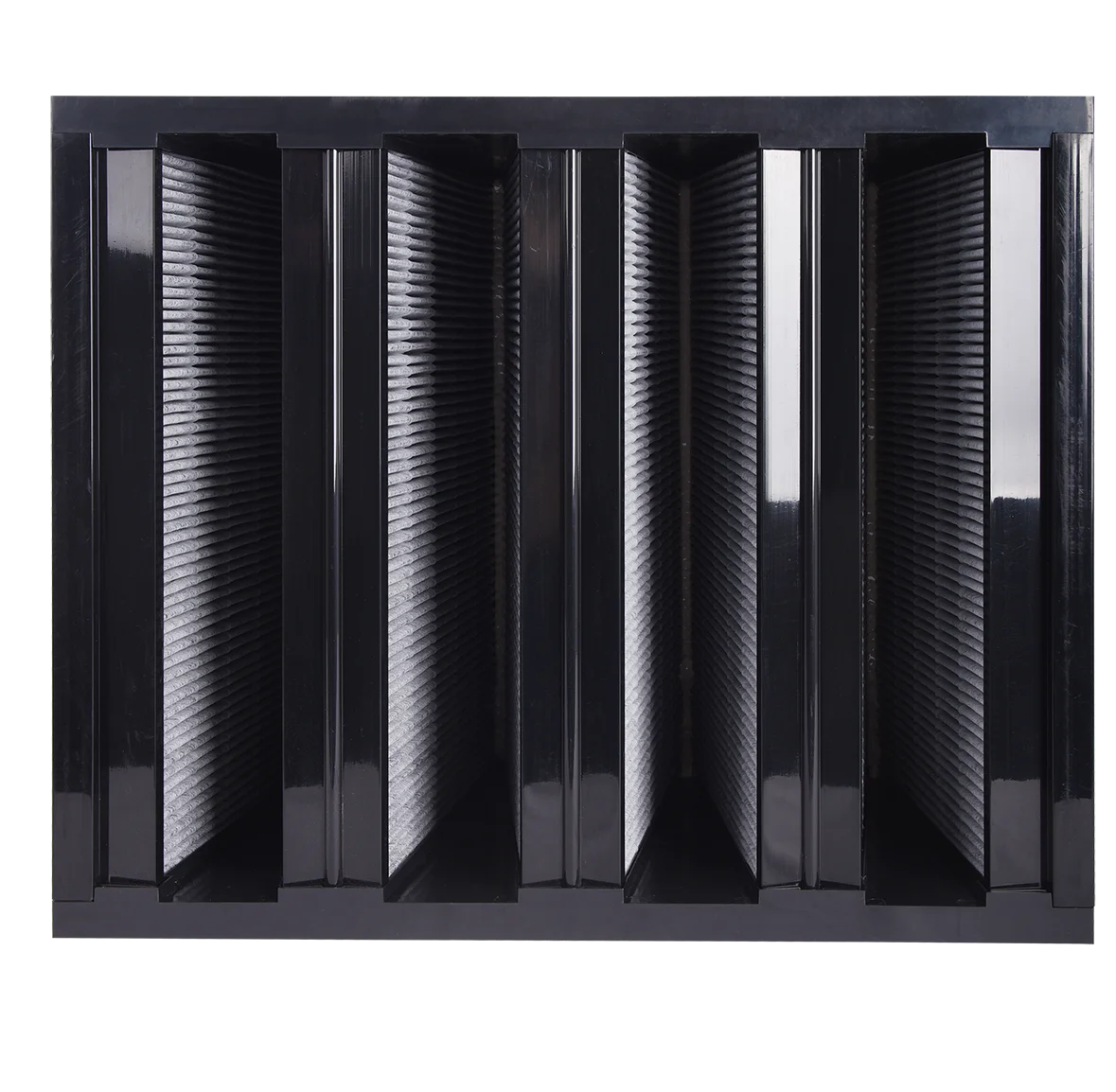
Chemical filters rely on the microporous structure of activated carbon (specific surface area 700–2300 m²/g) to physically and chemically adsorb harmful gases, which can be regenerated through heating or steam fumigation. They are widely used for exhaust purification, odor control, and personnel protection in industries such as steel, chemical engineering, electronics, coating, and waste treatment, serving as a key method for industrial and indoor air purification.
What exactly is the adsorption principle of a chemical filter? Let’s walk through it together.
Activated carbon adsorbs gases selectively; it does not mechanically “filter” out impurities. Activated carbon has a vast number of micropores on its surface, most of which are under 500. The total internal surface area of the micropores per unit mass of material is called the specific surface area, which can reach 700–2,300 m²/g. In the context of adsorption, the harmful gases in the air are called the adsorbate, and the activated carbon is called the adsorbent. Because of the intermolecular forces between molecules, the adsorbate clings to the inner surface of the micropores. If a chemical reaction accompanies the process, it is called chemisorption; otherwise it is physical adsorption. While the adsorbate remains attached to the adsorbent, some of it separates from the adsorbent — this is called desorption. In use, the adsorption capacity keeps declining and the tendency of the adsorbed substances to detach keeps rising; once this reaches a certain point, the activated carbon is spent. Sometimes, by heating or by steaming with water vapor, the adsorbate leaves the adsorbent and the activated carbon is regenerated.
Primary Applications
- Used in the central control rooms of industries such as steel, chemicals, and petrochemicals, mainly to protect precision instruments indoors from corrosive gases.
- Used in the control / operator rooms of industries such as smelters, to protect the health of personnel.
- Used at the air-intake section of large air compressors, to protect the compressor from corrosive gases.
- Used in the exhaust-gas purification units of electronics plants, semiconductor fabs, and plastics factories, so that emitted gases meet emission standards.
- Used for exhaust-gas purification in welding shops, spray-painting plants, and the electroplating industry, to protect the health of the relevant workers.
- Used for indoor air purification in museums, laboratories, and print rooms, to protect staff health.
- Used for purifying malodorous gases at waste-transfer stations, waste-incineration plants, and wastewater-treatment plants, to protect the surrounding environment.
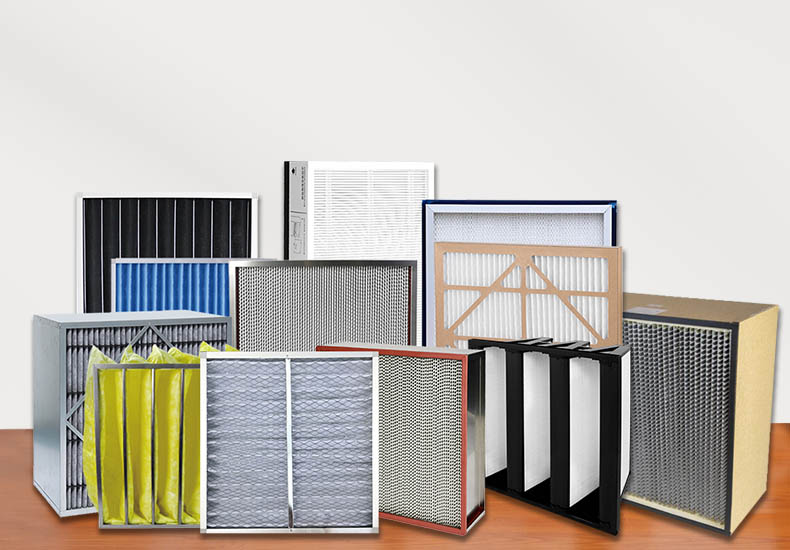
In industrial filtration, the slightest deviation can lead to a drastically different outcome. LANSIR Environmental Technology (Shanghai) Co., Ltd. is a “Specialized, Sophisticated, Distinctive, and Innovative (Little Giant)” high-tech enterprise that has dedicated 13 years to the field of industrial air filtration, serving industries such as commercial buildings, automotive spray painting, pharmaceuticals, chemicals, and machinery manufacturing. With two production–R&D bases in Shanghai and Jiangsu, its own cleanroom production workshops and testing laboratories, and a team of 40-plus technical professionals overseeing filter-media selection, structural design, and outgoing inspection, LANSIR provides you with stable and reliable one-stop industrial filtration solutions — from coarse, medium-fine to high-efficiency filters, and from standard products to made-to-order customization.