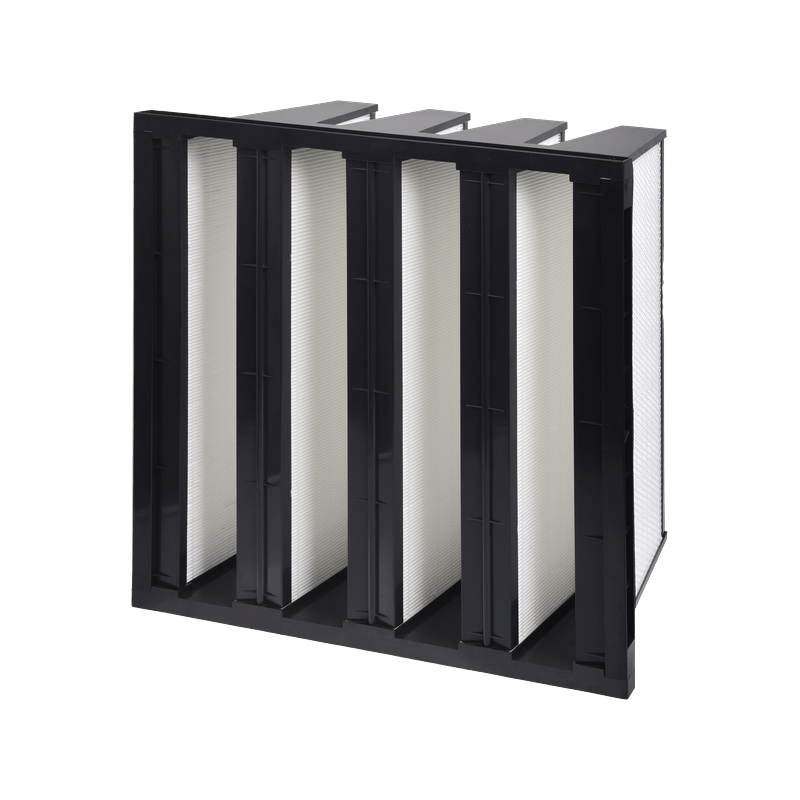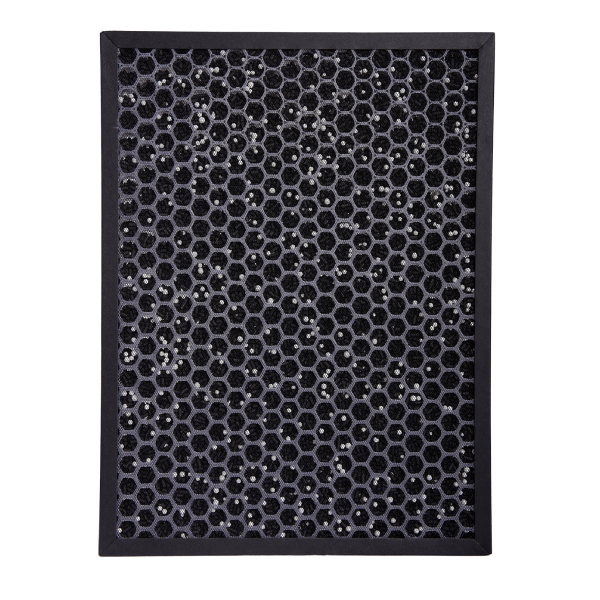
Air Filters; air filter procurement; separator-type HEPA filter; separatorless (mini-pleat) HEPA filter;
For high-demand settings such as cleanrooms, laboratories, hospitals, and electronics plants, selecting the right air filter bears directly on production safety. This article walks through the core procurement considerations — from filtration efficiency, structural type, and operating parameters to the use environment and maintenance cost — to help you choose a product that balances cost-effectiveness with your specific operating conditions.
1. Clarify Filtration Efficiency and Applicable Scenarios
Filtration grade (i.e., efficiency class) is the primary metric, but not the only one. Internationally, HEPA (High-Efficiency Particulate Air) and ULPA (Ultra-Low Penetration Air) filters are used to differentiate performance, typically expressed as the arrestance of 0.3 µm or 0.1 µm particles (e.g., 99.97%, 99.999%). You should select the appropriate efficiency class according to the required cleanliness class (ISO 14644 or GMP standard). For example, a standard electronics workshop may only need an H13 HEPA, whereas semiconductor lithography processes require U15 or above.
2. Separator-Type vs Separatorless — the Key Structural Difference
This is the most debated step in procurement. Each structure has its merits; weigh them against actual needs:
| Comparison dimension | Separatorless HEPA filter | Separator-type HEPA filter |
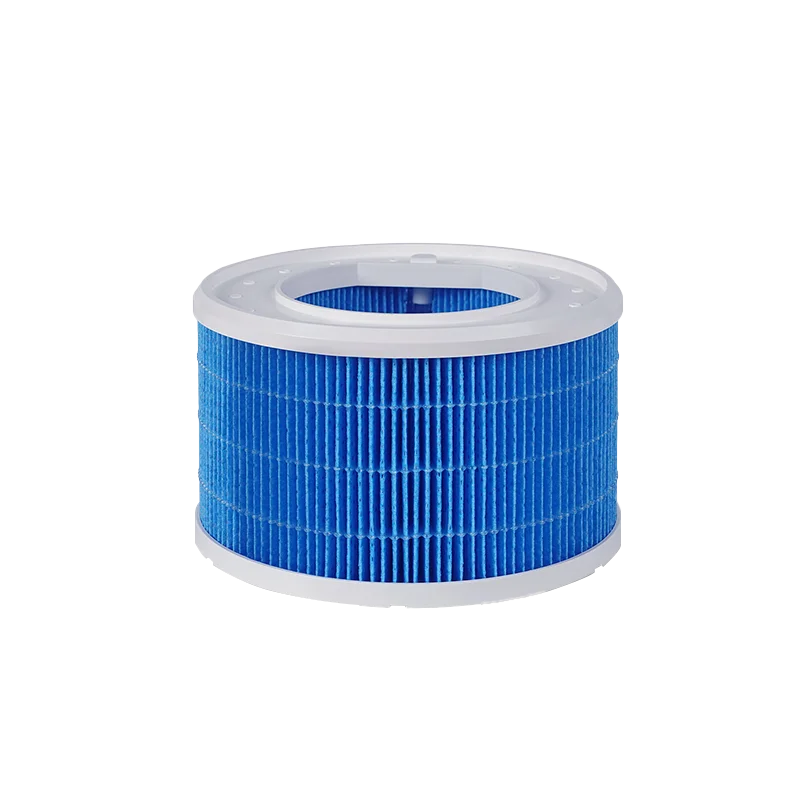
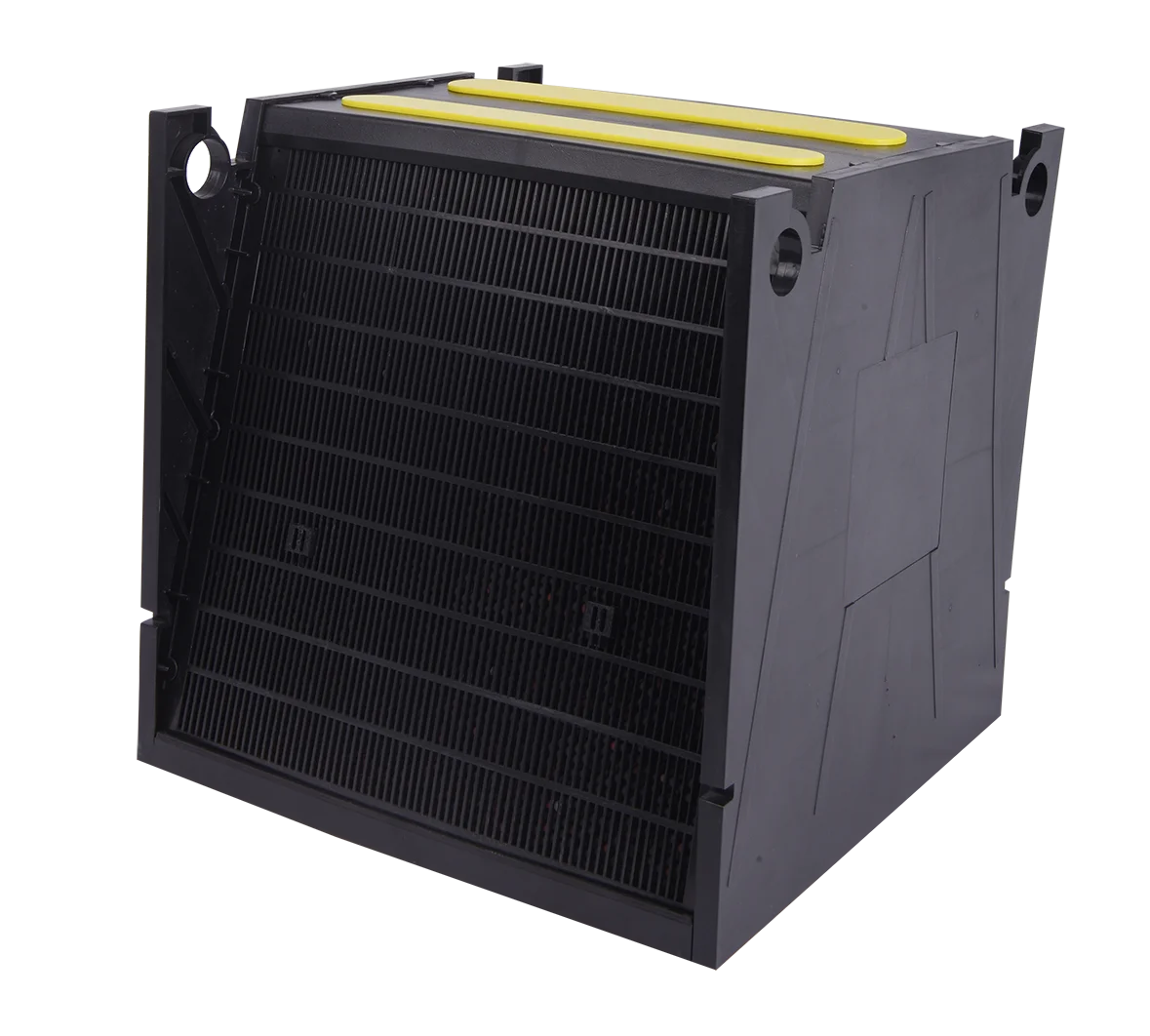
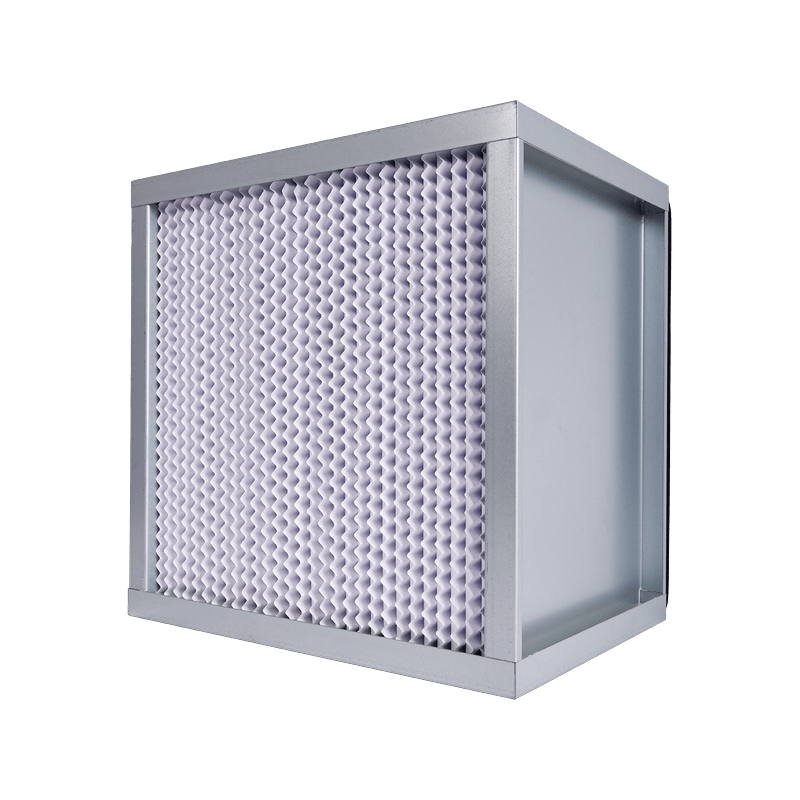
| Airflow channel | V-shaped pleats; media separated by hot-melt adhesive or thread | Rectangular corrugated channels; supported by aluminum-foil or paperboard separators |
| Dust-loading uniformity | Superior; extends service life | Inferior; localized clogging occurs earlier |
| Size & weight | Light, thin, compact; saves installation space | Bulky and heavy; occupies more space |
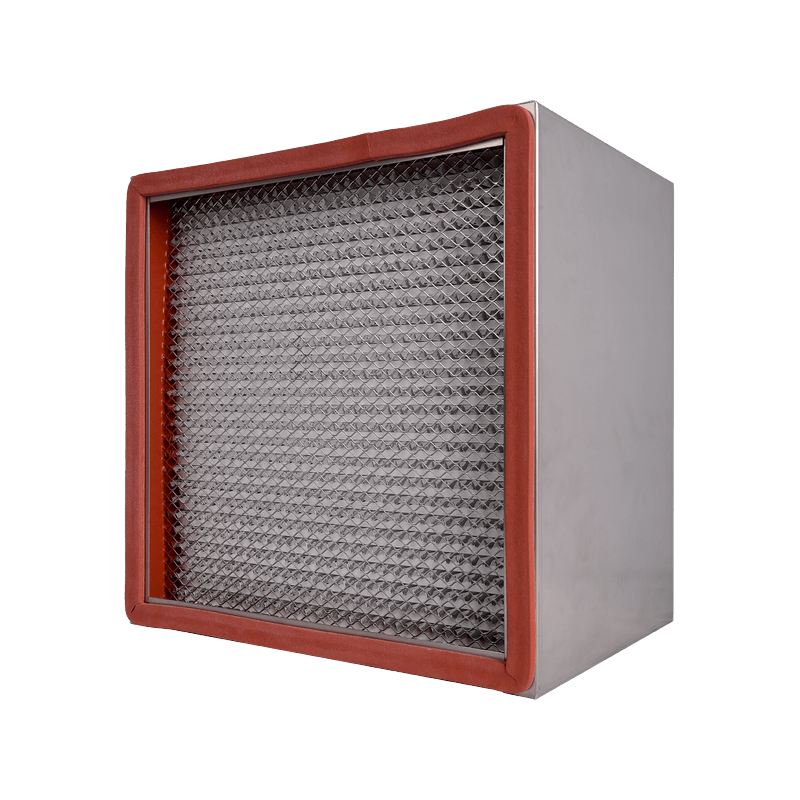
| Temperature & safety | General (≤70 °C); not high-temperature resistant | Optional metal separators; high-temperature resistant (up to 250 °C+); better fire safety |
| Environmental disposal | No metal parts; easy to incinerate or recycle | Metal must be dismantled; higher disposal cost |
| International price trend | Cheaper in overseas markets; higher adoption rate | More expensive overseas; used only in special cases |
Procurement recommendations:
- High-cleanliness, normal temperature/humidity settings (pharmaceutical, food packaging, ordinary cleanrooms) — prefer the separatorless type for high cost-effectiveness and eco-friendliness.
- High-temperature/high-humidity, fire-risk, or high-vibration environments (paint booths, nuclear exhaust) — keep the separator-type; its metal separators resist deformation and particle shedding.
3. Operating Parameters — Airflow, Resistance, and Face Velocity
The rated airflow and initial resistance directly affect HVAC energy consumption and fan selection. When procuring, verify the design airflow and pay attention to the final resistance value (typically 2× the initial resistance) to set a reasonable replacement alarm point.
In addition, face velocity is an easily overlooked metric. Excessive face velocity aggravates particle penetration and shortens service life; too low increases equipment cost. The proper face velocity value is closely tied to dust concentration, particle size, viscosity, and humidity, and should be calculated per the operating conditions rather than blindly copying a standard model.
4. How the Use Environment Imposes Special Requirements on Material and Structure
- Temperature/humidity fluctuations: if a separator-type filter uses ordinary kraft-paper separators, moisture can cause shrinkage and particle shedding, failing cleanliness. Experience shows double-coated art-paper separators are more stable; separatorless filters, having no paper separators, actually have an advantage under humidity variation and rarely produce secondary particles.
- Corrosive gases or chemicals: choose corrosion-resistant media (e.g., a PTFE membrane) and stainless-steel frames.
- High-temperature occasions: only the metal-separator + glass-fiber media separator-type structure can handle them.
5. Maintenance Cost and Life-Cycle Cost-Effectiveness
Many buyers compare only the first purchase price, ignoring replacement frequency and energy cost. Separatorless filters, with their V-shaped uniform dust loading, usually last longer; they are also light, lowering labor replacement cost. Separator-type, though possibly pricier per unit (especially imports), lasts longer under extreme conditions. Ask suppliers for dust-holding capacity and recommended final-resistance data, calculate the annual comprehensive cost, then decide.
6. Environmental Compliance and End-of-Life Disposal
As environmental regulations tighten, filter disposal must be planned ahead. Separatorless filters mostly use hot-melt adhesive and plastic frames, leaving little residue after incineration; separator-type metal parts must be dismantled and recycled, adding disposal cost. If your company has green-certification requirements, the separatorless type is the friendlier choice.
Summary: How to Precisely Match Procurement Needs?
- Set the cleanliness class → determine filter efficiency (HEPA/ULPA).
- Assess the site environment → temperature, humidity, fire rating, chemical risk.
- Calculate system airflow → match rated airflow and resistance curve.
- Compare separator-type / separatorless → separatorless for normal environments, separator-type for harsh ones.
- Account for life-cycle cost → procurement + energy + replacement + disposal.
Prioritize brands with deep industry roots, benchmark project cases, and a mature supply chain — avoid small workshops with unstable batches and stock-out/discontinuation risks.
LANSIR Environmental Technology (Shanghai) Co., Ltd. has been deeply engaged in the air-filtration field since its founding in 2013. A Shanghai High-Tech Enterprise, it operates two production-and-R&D bases in Shanghai and Jiangsu covering more than 15,000 m². As a member unit of the Suzhou Cleanroom Industry Association, LANSIR serves numerous high-precision industrial sectors — electronic semiconductors, pharmaceutical and chemical, solar energy, and biopharmaceuticals. Its product range spans the full series of coarse, medium-efficiency, HEPA, and ULPA filters, meeting ISO 14644 cleanroom standards. Certified under the ISO 9001 quality management system, the company holds multiple patents in air purification, advanced testing equipment, and a fully automated filter production line. Its products are shipped to more than 100 countries and regions including Europe, the Americas, and Japan/Korea, with a mature supply chain and stable long-term delivery — a comprehensive strength proven over time.
In short, when selecting a HEPA filter manufacturer, comprehensively verify certifications, material workmanship, production and customization capability, after-sales support, and supply-chain strength — do not look only at short-term price. LANSIR Environmental Technology (Shanghai) Co., Ltd., as a quality HEPA filter manufacturer, fully meets the five hard indicators, balancing quality, delivery, and service, making it a preferred supplier for cleanroom procurement projects.