New home formaldehyde removal · activated carbon bags · how effective are carbon bags at removing formaldehyde · what to do when formaldehyde exceeds the limit
When removing formaldehyde from a newly decorated home, activated carbon bags are a must-have — yet most people use them wrong. A carbon bag’s adsorption is limited and, once saturated, it can re-release formaldehyde and cause secondary pollution; a new generation of decomposition-type bags converts it into water and carbon dioxide. You cannot defeat formaldehyde with carbon bags alone — combine them with ventilation, plants, a high-carbon air purifier, and professional treatment, and move in only after a newly renovated home has been aired and sun-cured.
The truth about carbon bags: not a cure-all, but indispensable
Carbon bags do adsorb formaldehyde, but their effect is far more limited than most people imagine:
- Adsorption has its limits: The porous structure of carbon physically adsorbs formaldehyde molecules, but its adsorption capacity is affected by temperature and humidity. When the temperature rises or the carbon becomes saturated, formaldehyde may be released back into the air, causing secondary pollution.
- High dosage is required: Test data show that 500 g of carbon per square meter of space is needed just to reach a 50% adsorption rate. That means a 100 m² home would need 50 kg of carbon bags! Yet most households use far less.
- Limited scope. Carbon bags are only suitable for small enclosed spaces such as drawers and wardrobes; their efficiency for whole-room formaldehyde removal is inadequate.
Use carbon bags this way to double the effect!
To get the most out of your carbon bags, master these techniques:
1. Scientific dosage and precise placement
- Newly renovated home: calculate the total amount at 300–500 g per square meter.
- Wardrobes and drawers: one 100 g bag per drawer.
- Bedside cabinets and TV cabinets: one 200 g bag per space.
- Bedrooms and living rooms: 3–5 bags of 500 g per room.
- Placement tip: distribute them below 1.5 m in height, especially near emission sources (new furniture, mattresses, carpets, etc.).
2. Replace in time — don’t let a “helper” become a “killer”
An ordinary carbon bag’s effect drops markedly after 1 month of use.
It is recommended to replace every 3 months to avoid reverse formaldehyde release after saturation.
Used bags can be buried in flower pots to improve the soil, or taken to a recycling station.
Upgrade option: the new generation of decomposition-type carbon bags
Ordinary carbon bags can only adsorb, not decompose. LANSIR’s newly launched Purafil high-iodine-value activated carbon bag solves this pain point:
Built on traditional carbon material, the bag adds Purafil media, which breaks the adsorbed formaldehyde down into water and trace carbon dioxide, avoiding secondary pollution, with an adsorption capacity 5–8 times higher than ordinary carbon. Search “LANSIR Official Flagship Store” on JD.com to purchase.
Although the price is slightly higher, considering service life and effectiveness, it is more economical in the long run.
Carbon bags can’t fight alone! The strongest formaldehyde-fighting combo
To move in with peace of mind, you must combine methods:
- Ventilation reigns supreme: The most effective method! Maintain air cross-flow for at least 8 hours a day, especially in hot seasons. Use the “heat-trap-and-vent” method: close the doors and windows to raise the room temperature (accelerating formaldehyde release), then ventilate in a concentrated burst.
- Plants as support: Place spider plants, pothos, and similar plants in carbon-bag zones to form a biological purification system.Monstera deliciosa and Ivy are also good choices.
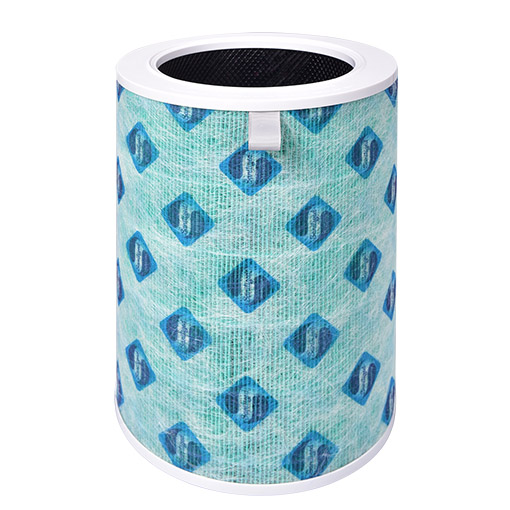
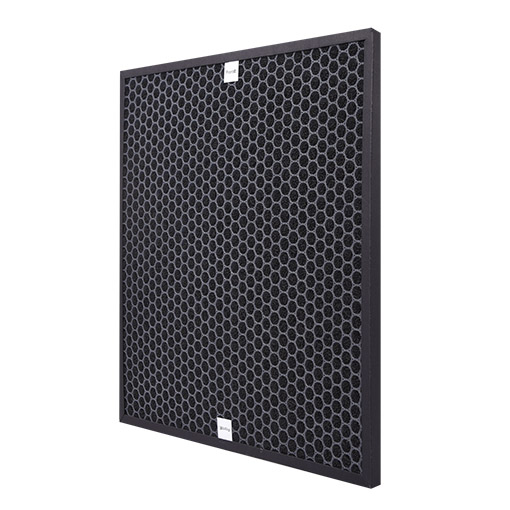
- Air purifier: Choose models with activated carbon content ≥ 90% (LANSIR’s Sanitized MAX customized filter offers a four-fold performance boost); use together with carbon bags for better effect.
- Professional treatment: When formaldehyde concentration exceeds 0.1 mg/m³, seek professional treatment. Photocatalyst spray can decompose formaldehyde molecules, with an effect 5–8 times higher than carbon.
- Source control: Prioritize solid-wood furniture to reduce pollution sources; for a newly renovated home, leave it vacant for at least 6 months.
- Must-have gadget on the formaldehyde journey: the formaldehyde detector
The formaldehyde emission cycle lasts 3–15 years, so regular testing is still needed after move-in: buy a reliable household formaldehyde detector; focus monitoring on bedrooms and children’s rooms in hot seasons; take remedial action promptly if abnormalities are found.
Carbon bags’ hidden uses — 90% of people don’t know them!
Think carbon bags only remove formaldehyde? Their uses go far beyond:
- Fridge deodorizing: place two mini bags to efficiently remove food odors and prevent cross-smells.
- Wardrobe moisture control: place before the plum-rain season so clothes don’t mildew or smell.
- Shoe-cabinet sanitizing: adsorb free bacteria and odors in the shoe cabinet, preventing cross-infection.
- Pet-odor removal: adsorb pet dander and odors so the home no longer smells.
Carbon bags are an important helper in new-home formaldehyde removal, but not the only solution. Only through scientific dosage + timely replacement + multiple methods combined can you win this health defense battle.
Remember: a newly renovated home should be ventilated through at least one summer (high temperatures accelerate formaldehyde release) before move-in; after moving in, keep testing regularly, especially for homes with pregnant women, infants, and the elderly.
Health is priceless — remove formaldehyde scientifically, and you can safely enjoy the warmth and beauty of your new home!