Pig-farm air filters · Coarse panel pre-filters · How to set the efficiency grade for pig-house filters
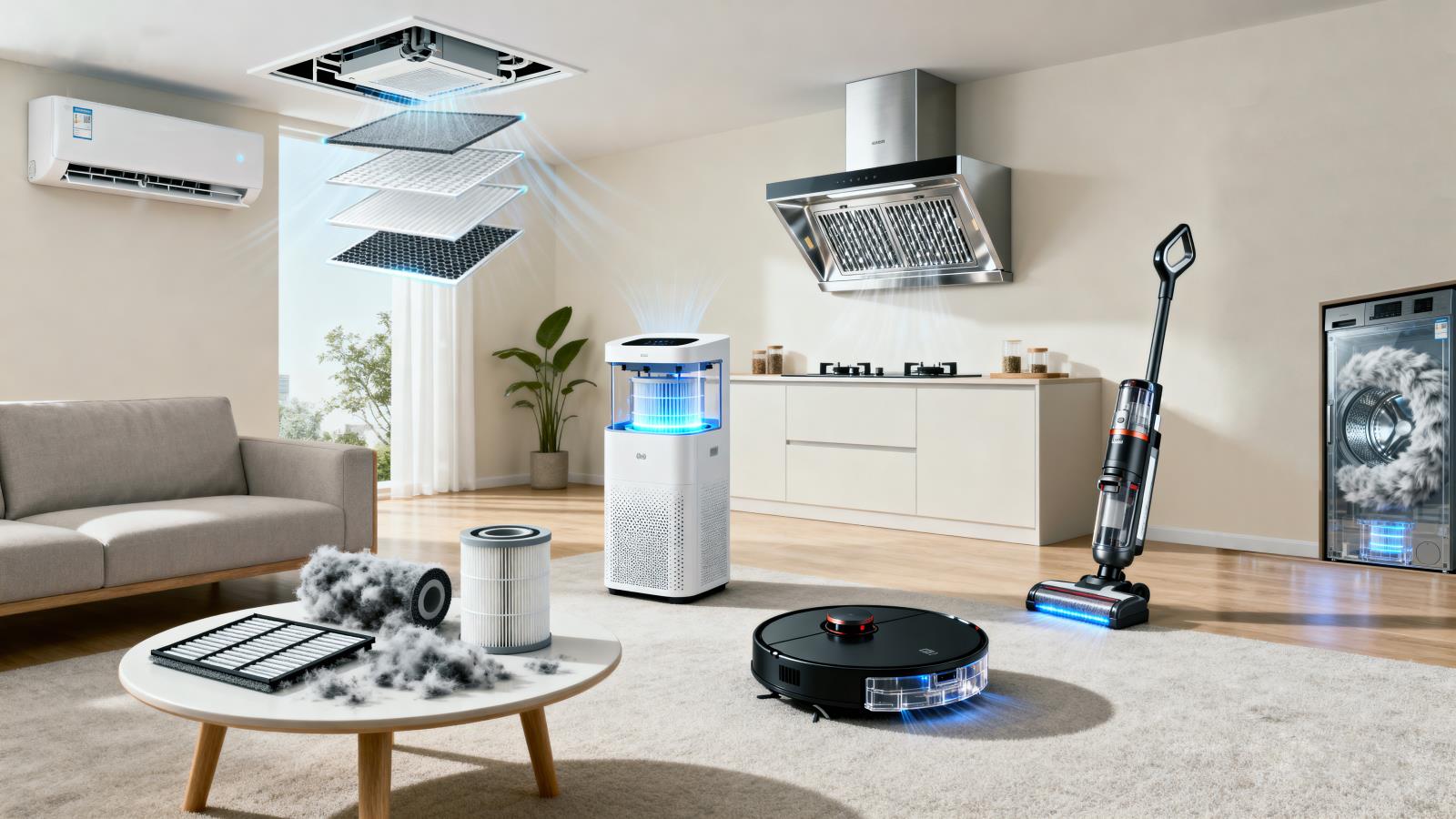
Pig-farm air filters block disease transmission by intercepting virus-laden dust aerosols (0.3–1 µm). Common types include G3/G4 coarse panel pre-filters, G3–F8 bag filters, and F6–F9 “W”-shaped medium-to-high-efficiency (sub-HEPA) filters. Selection should focus on enlarging the filter media area to extend service life, properly matching the efficiency grade, and keeping the airflow at about 80% of rated capacity to reduce pressure drop—thereby effectively safeguarding farm biosecurity.
Airborne transmission is one of the common pathways by which several pig diseases spread on farms. Carried by atmospheric dust particles or bioaerosols, viruses can travel from one farm to another. Research has confirmed that the pathogenic viruses of several common diseases—Porcine Reproductive and Respiratory Syndrome (PRRS, “blue-ear disease”), Classical Swine Fever (CSF), Pseudorabies (PRV), Foot-and-Mouth Disease (FMD), and enzootic pneumonia (swine mycoplasmal pneumonia)—can spread over long distances through the air while remaining infectious.
How severe is the harm and economic loss caused by these viruses? Take PRRS, one of the more common pig-farm diseases, as an example. A 2013 U.S. study showed that, even with widespread vaccine use, the U.S. pork industry still lost US$664 million per year to PRRS . Canadian data from 2010 indicate that PRRS costs the Canadian pork industry US$130 million per year . Among 205 Canadian farms, the average PSY (Pigs Weaned per Sow per Year) reached 27.2 when herds were free of PRRS; it fell to 24.7 under moderate PRRS impact and to 23.7 under severe impact. The nursery pigs’ feed conversion ratio (FCR) rose from a normal 1.46 to 1.64, and average daily gain (ADG) dropped from a normal 451.7 g to 423.6 g. The effect on finishing pigs was even greater: ADG fell from a normal 899.3 g to 810.1 g—a 10% decline.
Are vaccines ineffective? The control of porcine circovirus disease (PCVD) and PRRS has always been a focal point for pig-disease experts worldwide. For PCVD, vaccine immunization is the main control measure. PRRS vaccine immunization, however, has many shortcomings: inactivated vaccines have poor immunogenicity, induce low antibody titers after vaccination, and fail to provide effective protection; their cross-protective effect against highly variable strains is low. Attenuated (live) vaccines carry the risk of vaccine-virus shedding. In general, vaccines and antibiotics alone cannot block farm disease infection and transmission with 100% certainty.
Research and field application on overseas pig farms have confirmed that air-filtration systems can significantly cut the airborne transmission route of viruses between farms. A four-year University of Minnesota study confirmed that an integrated air-filtration disease-prevention program can keep herds free of PRRS and enzootic-pneumonia pathogens. By combining multiple filter types, an air-filtration system can remove over 95% of 0.3-micron particles, effectively preventing viruses from entering pig houses through the air .
Relevant data show the diameters of common pig-farm viruses: swine influenza virus 0.08–0.12 µm, PRRS virus 0.05–0.065 µm, Porcine Circovirus Type 2 (PCV2) 0.0017–0.0022 µm, Mycoplasma (0.3–0.9 µm), Classical Swine Fever virus 0.04–0.05 µm, Pseudorabies virus 0.15–0.18 µm, and Foot-and-Mouth Disease virus 0.022–0.03 µm.
All of these viruses are extremely small. Yet the air-filtration systems commonly used on pig farms effectively intercept particles of 0.3 µm and larger. Can a filter intercept something as tiny as a virus? In fact, air filters do not filter viruses or bacteria directly; rather, they intercept the carriers of viral transmission—dust particles or bioaerosols. A virus cannot travel or spread on its own; it must hitch a ride on a carrier. Naturally occurring dust particles or bioaerosols are typically 0.3–1 µm in diameter, so air filters target precisely these 0.3–1 µm carriers, thereby blocking the viruses riding on them.
Common Filter Types Used in Pig Farms
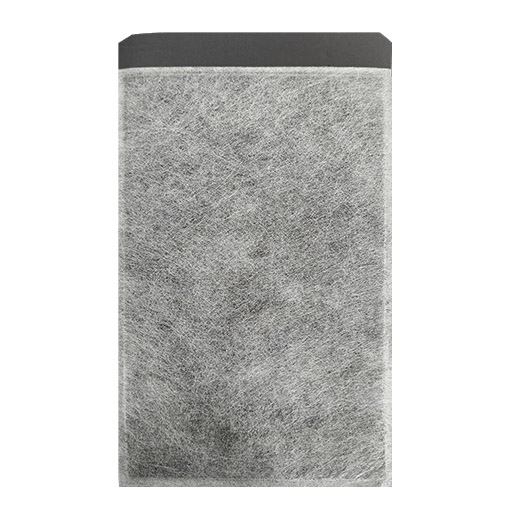
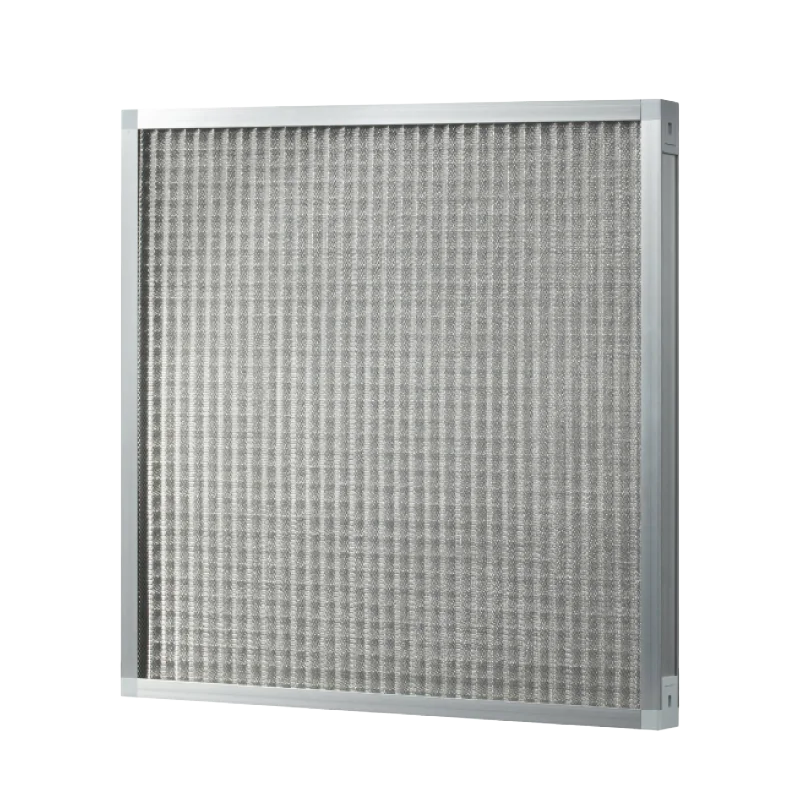
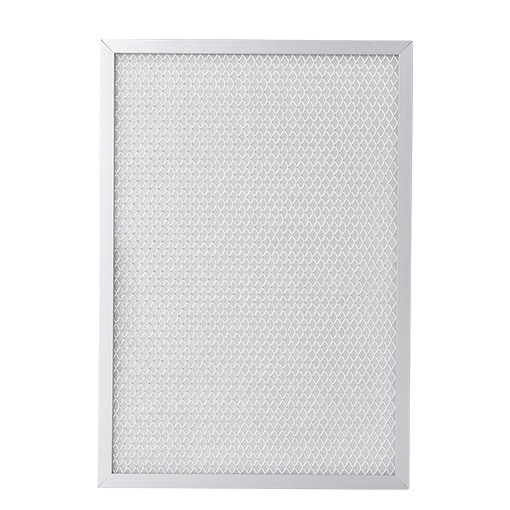
Coarse Panel Pre-Filters:A low-cost filter. The common specification on pig farms is efficiency grade G3 and G4, with non-woven fabric media and mostly cardboard frames. It is used for coarse pre-filtration in air-filtration systems. Coarse panel pre-filters mainly capture dust particles above 5 µm; they feature low pressure drop, high airflow, and long service life, and are primarily applied as coarse pre-filters on the main filtration wall and in the ceiling filtration system of pig houses.
Bag Filters:Bag filters are commonly used in ventilation systems. Their “V”-shaped filter bags contain multiple small “V”-shaped pockets that form complete “V”-shaped airflow channels. The material runs from sparse to dense from the air-entry face to the exit face, giving them a larger dust-holding capacity. G3 and G4 bag filters use polyester non-woven media, while F5–F8 grades typically use fiberglass media. A filter usually has 4 to 12 parallel bags, offers moderate efficiency and a large filter area, and is mostly used for coarse or pre-filtration on the main filtration wall of pig houses.
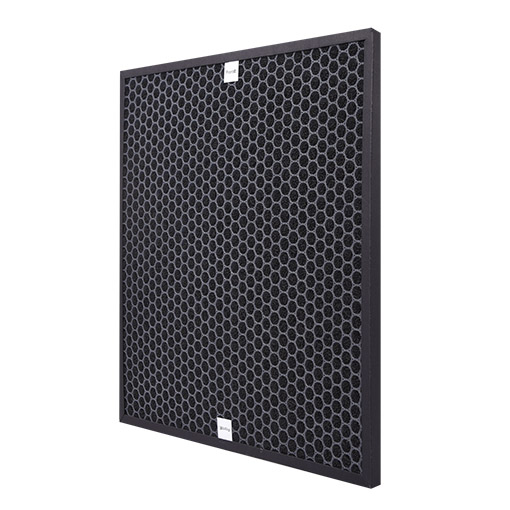
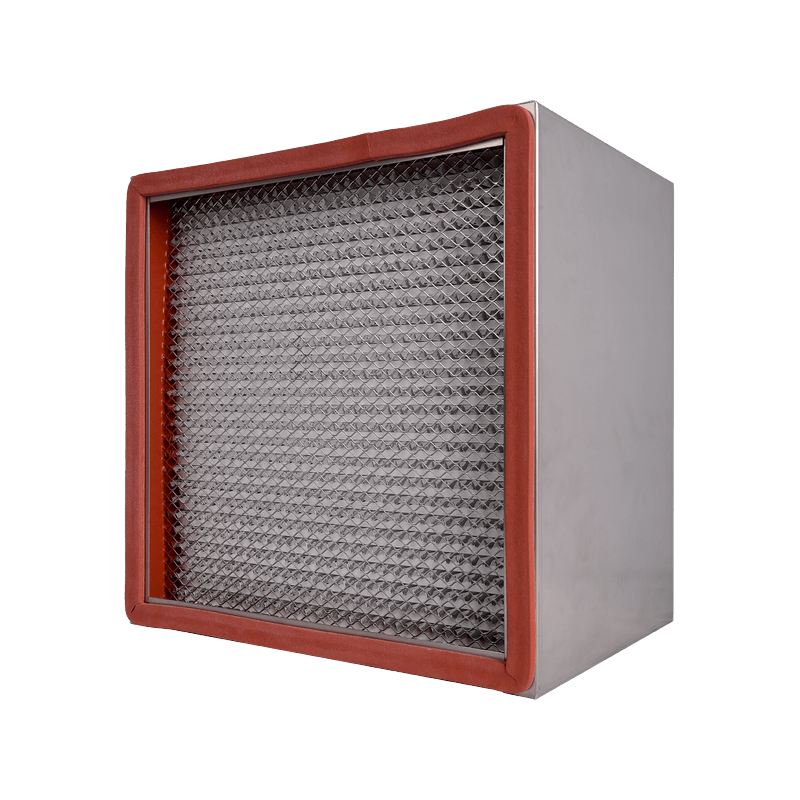
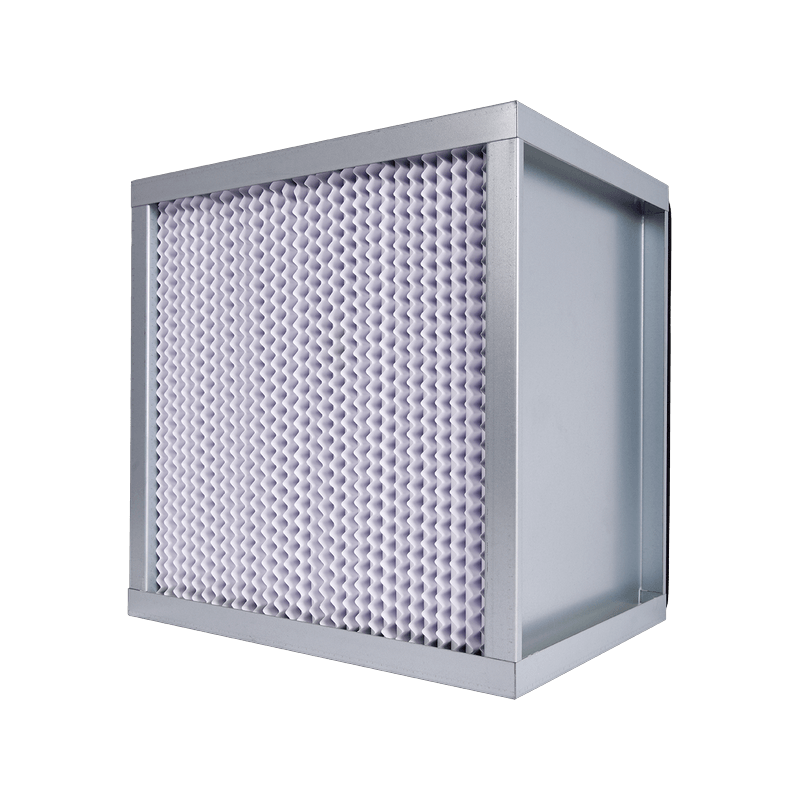
“W”-Shaped Mini-Pleat Medium-to-High-Efficiency (Sub-HEPA) Filters:These mainly filter 0.3–1 µm particulate dust and various suspended matter. They feature high airflow, low pressure drop, large dust-holding capacity, and long service life, with an efficiency grade of F6–F9 and a rated airflow of 3,400 m³. Their frames are mostly plastic, and they are mostly used as the terminal filters on the main filtration wall and in the ceiling filtration system of boar studs and sow houses.
How to Select the Right Filter
1. Choose Filters with a Large Media Area
The unfolded area of the filter media is typically several to dozens of times the filter’s face area. A larger media area holds more dust and lengthens service life; it also lowers the air velocity through the media, reducing the filter’s pressure drop. Increasing the media area is therefore an effective way to extend filter service life.
Data show that, for filters of the same structure and media, once the final pressure drop is fixed, a 50% increase in media area extends service life by 70%–80%, and doubling the area triples the service life.
2. Select the Appropriate Efficiency Grade
At the same ventilation parameters, a filter’s efficiency is largely determined by particle size; design selection should be based on the cleanliness class required for the pig house. Different cleanliness requirements dictate the particle-size targets and corresponding efficiency for the high-efficiency filters.
3. Mind the Air Velocity (Airflow)
A filter’s rated airflow is the airflow reasonably selected at a given filtration velocity, balancing efficiency and pressure drop. When determining a filter’s airflow, it is generally chosen at less than or equal to the rated airflow—experience suggests taking about 80% of rated airflow to lower the pressure drop.
Follow LANSIR—safeguarding your air safety.