Can you still use an idle air-purifier filter; can a still-sealed filter stored for two years still be used; Can a filter stored for a long time still be used; Filter storage precautions
An air-purifier filter left idle for over a year can usually keep working. If it is still sealed or used for one month or less, check it for dust first. Neither HEPA nor activated carbon can be washed. Activated carbon barely regenerates in sunlight, and it may release formaldehyde when saturated. Only metal coarse filters can be washed. A filter left idle for a year may lose its activated carbon. Smell a sour odor? Replace it. Replace a composite filter as a whole. We suggest choosing a reliable, well-matched product.
Do you have an idle filter at home?If the filter is still sealed, or was used for no more than one month, you can keep using it.
Still, before use, take it out and have a look — check whether the surface has obvious dust. You can tell with a single wipe of a finger. If there is dust, replace it with a new filter promptly.
But do not do anything counterproductive, such as pulling the filter out and washing it before use.
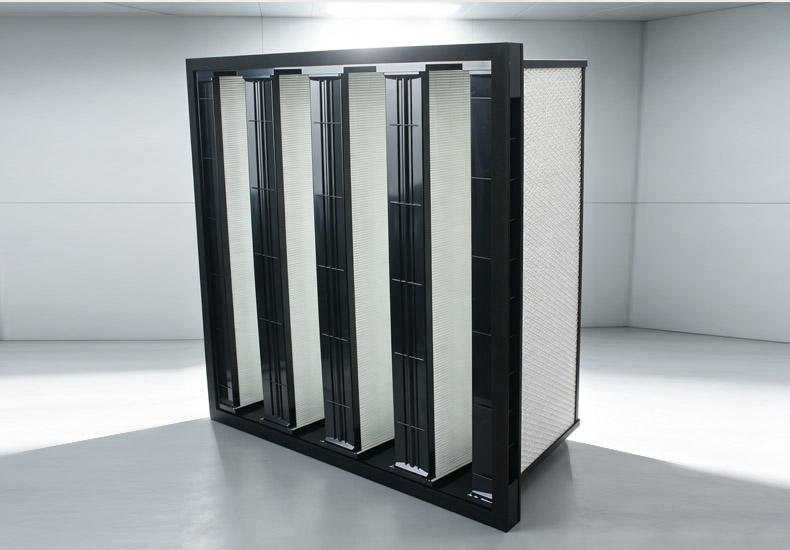
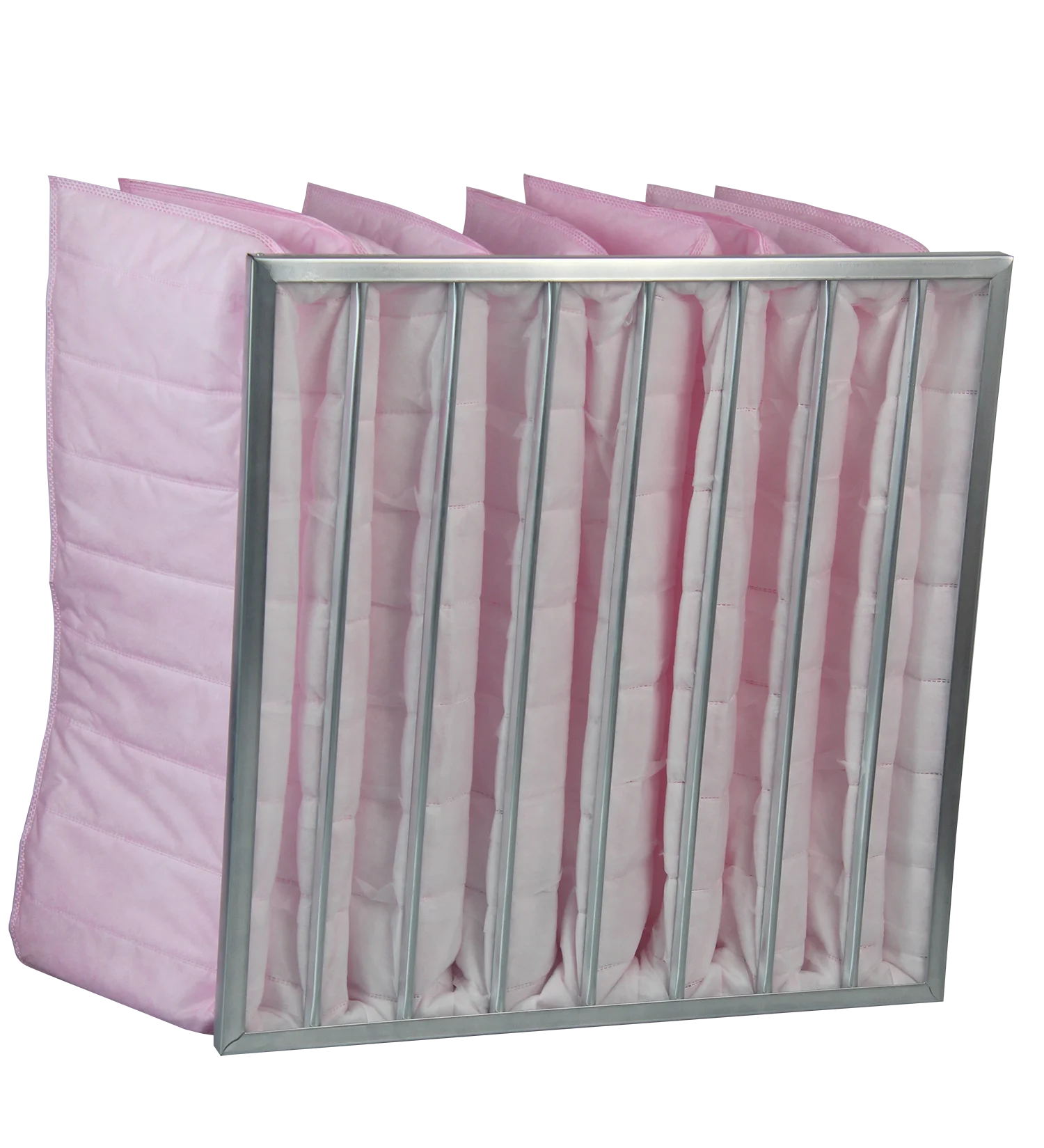
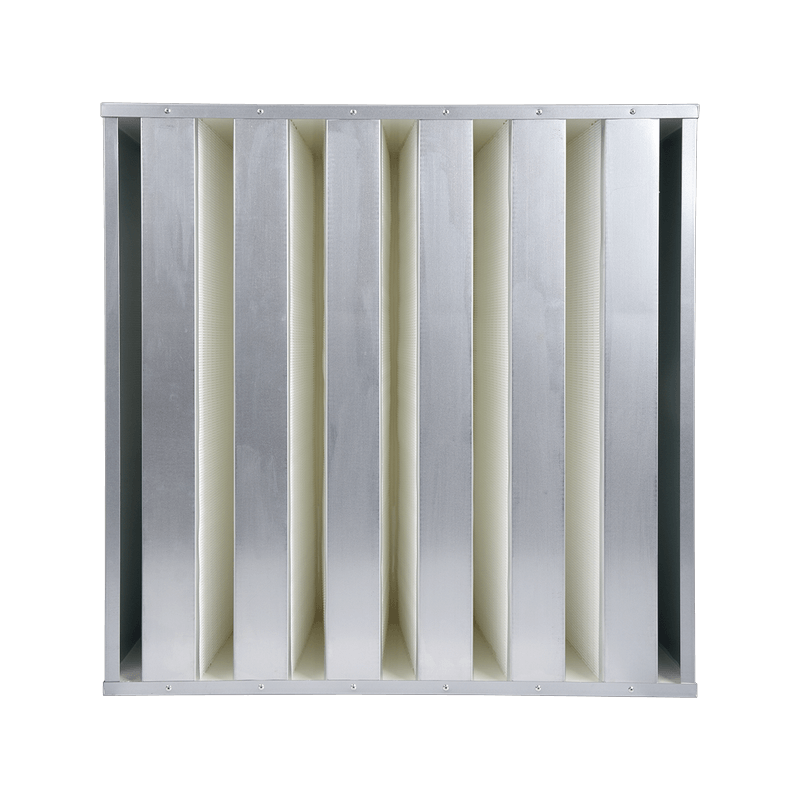
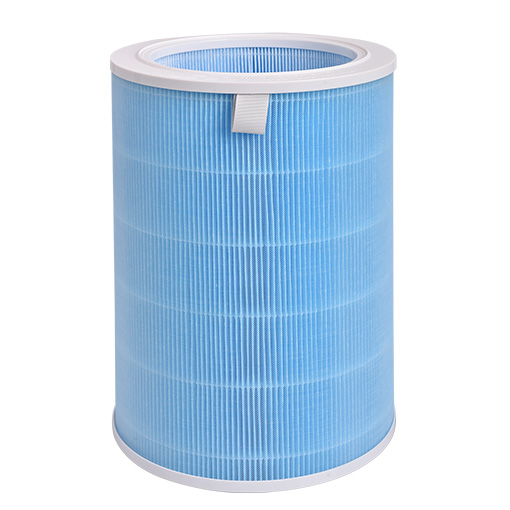
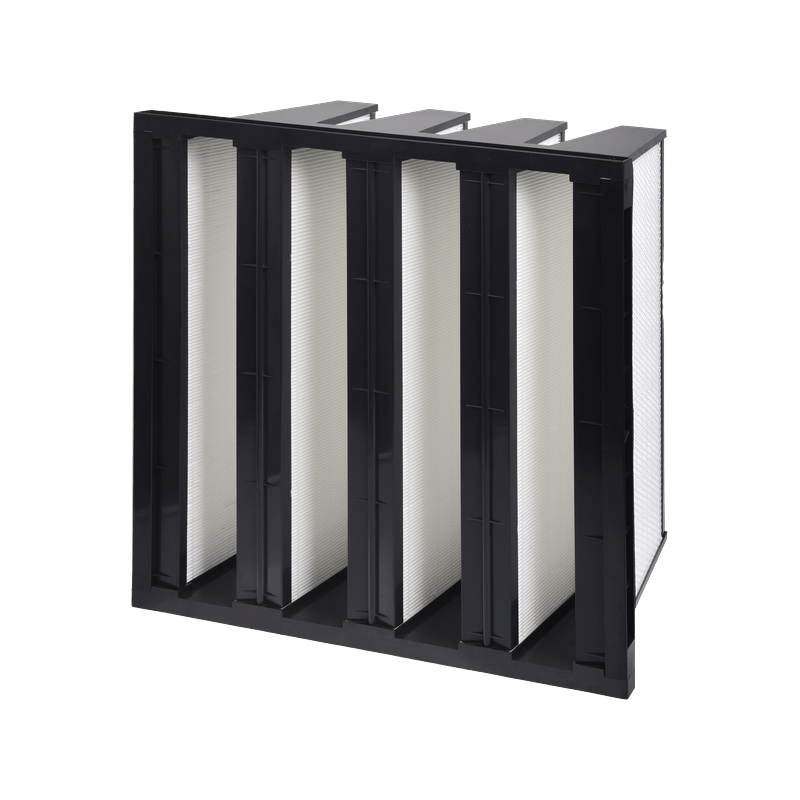
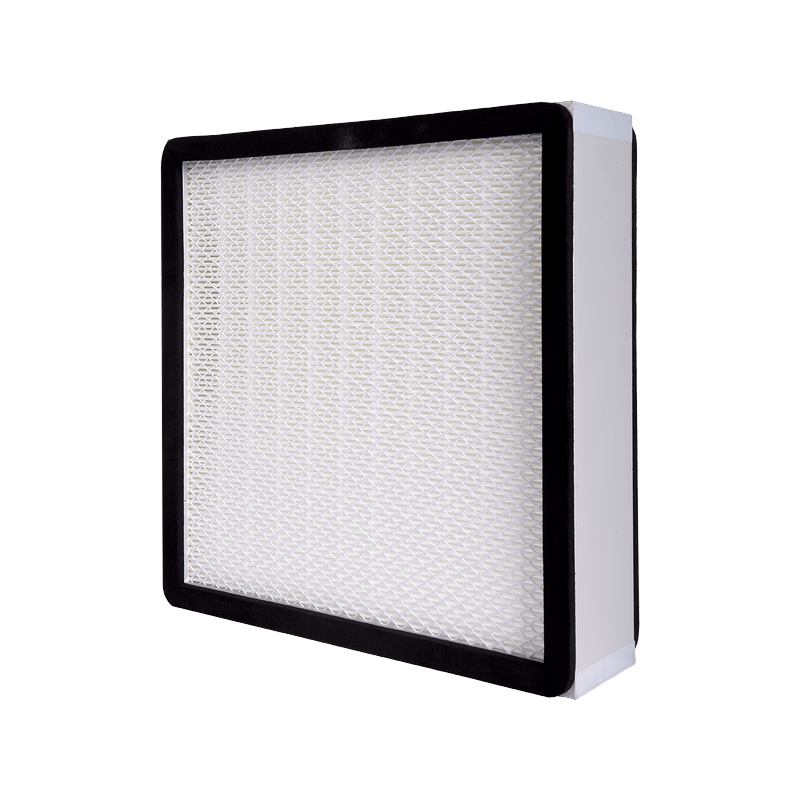
Air purifiers typically use three kinds of filters:They are the pre-filter, the activated-carbon filter, and the HEPA filter.
Neither the activated-carbon filter nor the HEPA filter can be washed. In particular, the HEPA filter is a paper-based structure; washing it directly destroys the internal structure and weakens its electrostatic capture ability, greatly reducing air-filtration performance.
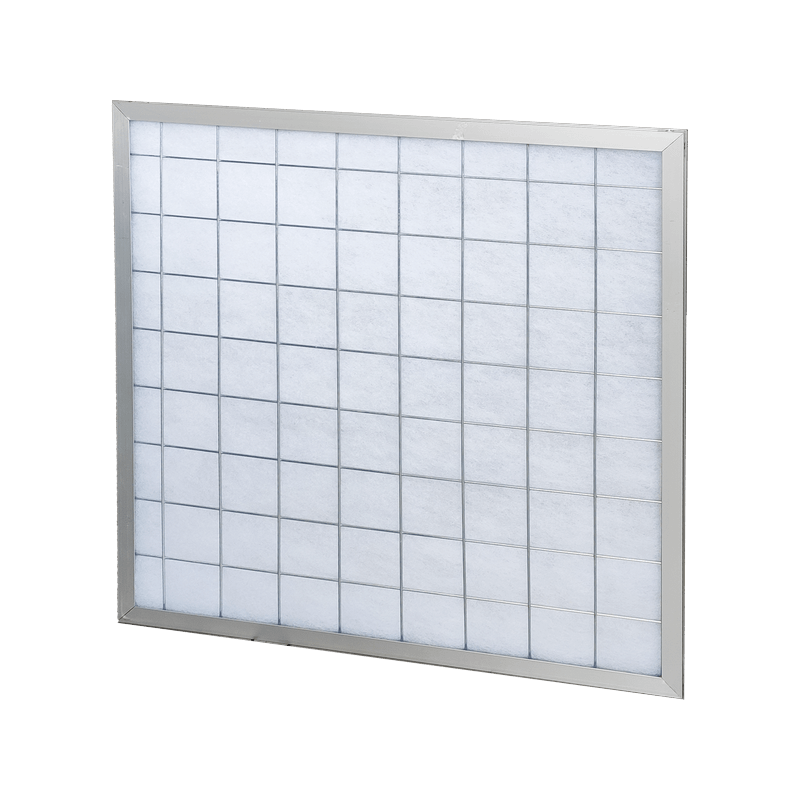
A pre-filter made of metal mesh can be removed and washed; after washing, let it dry before reinstalling. A pre-filter made of PP (polypropylene) non-woven, however, cannot be washed either.
Some people think they can “reactivate” an activated-carbon filter simply by leaving it out in the sun — that is also a misconception. Activated carbon’s desorption requires a high temperature of around 255 °C, which sunlight can never reach. Once an activated-carbon filter is saturated with adsorbed formaldehyde, if it is not replaced in time, the formaldehyde can be released again quickly at higher room temperatures, causing secondary pollution.
For a filter that has sat for a year, the impact on HEPA is small, but the service life of activated carbon is certainly affected. You can sniff it to check for a sour smell; if it smells sour, consider replacing it. However, some air purifiers use a composite filter where HEPA and activated carbon are bonded together, so when it comes time to replace, you have no choice but to replace the whole unit.
When it is time to replace your air-purifier filter,choosing Lansir (LANSIR) is undoubtedly an excellent choice. Its rich product line meets the needs of different air-purifier models; whatever brand or specification you use, you can find a fitting filter here.
In addition, Lansir offers attentive after-sales service. If you encounter any problem during use, it will be resolved promptly and effectively. So, for the respiratory health of you and your family, choose Lansir for filter replacement — you will not be disappointed.
Terminology References
[7] ISO 29463 / EN 1822 — HEPA H13 & H14 (MPPS efficiency): https://www.iso29463.com/
[21] WHO — Ambient (outdoor) air pollution; PM2.5 = fine particulate matter: https://www.who.int/news-room/fact-sheets/detail/ambient-(outdoor)-air-quality-and-health
[27] U.S. EPA — Formaldehyde: https://www.epa.gov/formaldehyde
[82] U.S. EPA — Guide to Air Cleaners in the Home (HEPA filters capture particles, activated-carbon filters capture gases and VOCs; all filters need regular replacement; avoid ozone-generating devices): https://www.epa.gov/indoor-air-quality-iaq/guide-air-cleaners-home
[90] MDPI (peer-reviewed) — A Systematic and Quantitative Study of the Thermal Reactivation of Activated Carbons (thermal reactivation heats spent carbon to 700–950 °C under a controlled gas atmosphere; the low-end desorption step occurs at ~200–500 °C. Effective regeneration is an industrial, high-temperature process — far beyond what household sun-drying can achieve): https://www.mdpi.com/2311-5629/9/4/115/html
Translator’s Notes
- 闲置 / 静置 = sitting unused / idle (stored, out of service). 未拆封 = still sealed / unopened.
- 画蛇添足 = literally “draw legs on a snake”; rendered as “anything counterproductive” (a redundant action that makes things worse).
- 255 °C 脱附温度 is the source’s own technical claim. Peer-reviewed literature [90] places effective thermal reactivation at 700–950 °C (low-end desorption ~200–500 °C), so household sun-drying (≈50–60 °C) is far below even the lowest threshold — which supports the source’s conclusion that sun-drying cannot regenerate activated carbon. Quoted as stated, not independently verified.
- 二次污染 = secondary pollution (re-release of already-adsorbed formaldehyde back into the air); consistent with [82] (activated carbon captures gases, and physical adsorption is temperature-reversible).
- 复合式滤网 = composite filter (HEPA + activated carbon bonded into one cartridge); replaced as a whole unit.
- 酸味 = sour smell / off-odor — a practical at-home indicator that the carbon is saturated / spent.
- PP棉 = PP (polypropylene) non-woven — a pre-filter variant that is not washable (distinct from metal-mesh pre-filters, which are).
- Brand note uses the established LANSIR tagline “filtration hard-tech / making every breath a higher-quality one” for cross-site consistency; the core endorsement text is translated faithfully from the source.