can you run a humidifier and air purifier together · why air-purifier filters grow mold · bedroom humidifier & purifier placement
Running a humidifier and an air purifier together is not inherently wrong — but doing it the wrong way creates two major risks:First, an ultrasonic humidifier filled with tap water emits a “white dust” of calcium and magnesium (artificially generated PM2.5) that shortens filter life and harms respiratory health. Second, mist that wets the HEPA filter breeds mold. The right approach follows three golden rules: keep the two units at least 2–3 meters apart (ideally on opposite diagonals of the room), always fill the humidifier with purified or distilled water, and clean the humidifier and replace the filter on a regular schedule. Experts recommend an evaporative (mist-free) humidifier as the top option — because it produces no mist, it coexists harmlessly with a purifier at close range and is rightly called the “perfect pairing.” A wrong combination damages the machines and pollutes the air; the right combination delivers air that is both moist and clean.
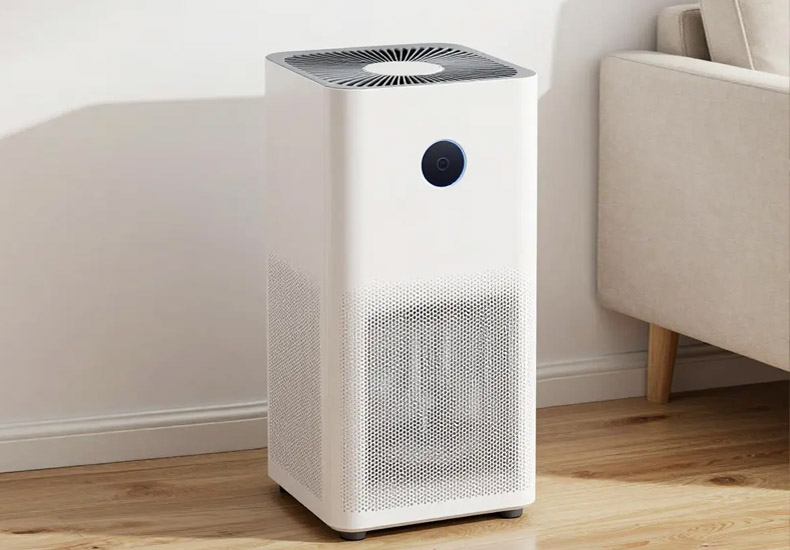
Ms. Li, who lives in Chaoyang District, Beijing, had been feeling a dry, itchy throat and nasal discomfort lately. In the turn from late summer to early autumn, the lingering chill of the air conditioner had not yet worn off while autumn dryness had already set in. To make the air more comfortable for her family, she bought a humidifier and an air purifier, placed them side by side in the bedroom, and switched them both on.
Unexpectedly, half a month later, not only had her symptoms not improved — her child started coughing. What pained her more was that the expensive air purifier she had only just bought suddenly alarmed, warning of a filter fault!
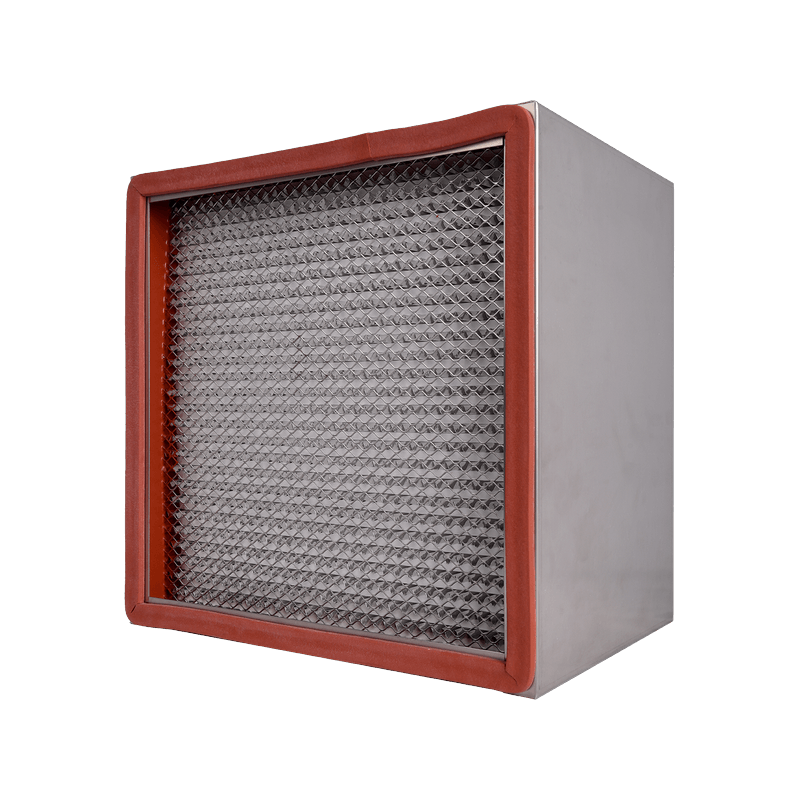
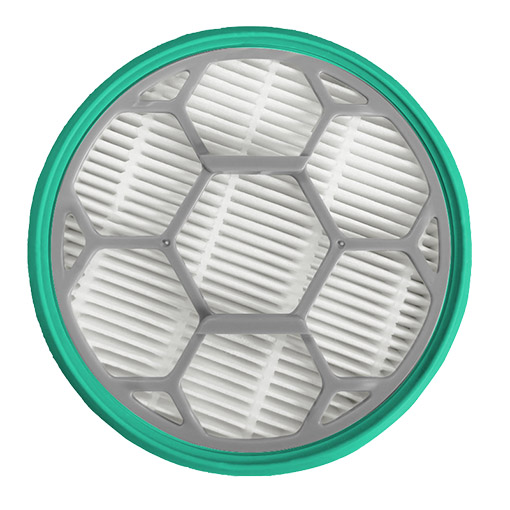
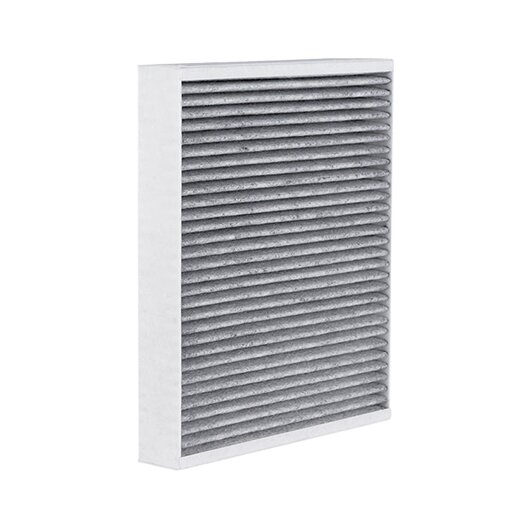
When the repair technician came to inspect, he pointed at the moldy filter and shook his head. “Your filter is moldy like this — was a humidifier running right next to it the whole time? Once an ordinary filter gets damp, it’s basically ruined. Not only can it no longer filter, the air it blows out is dirtier than the air itself!”
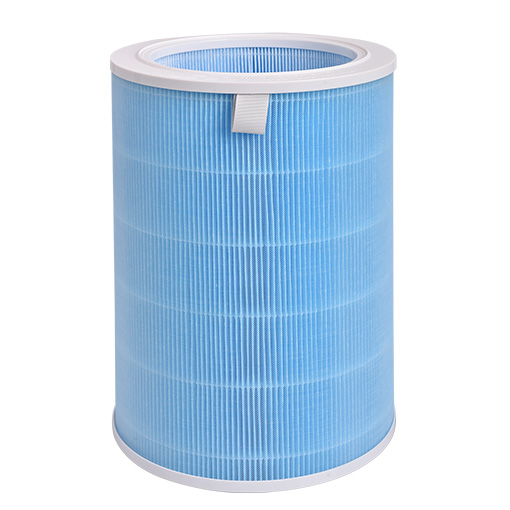
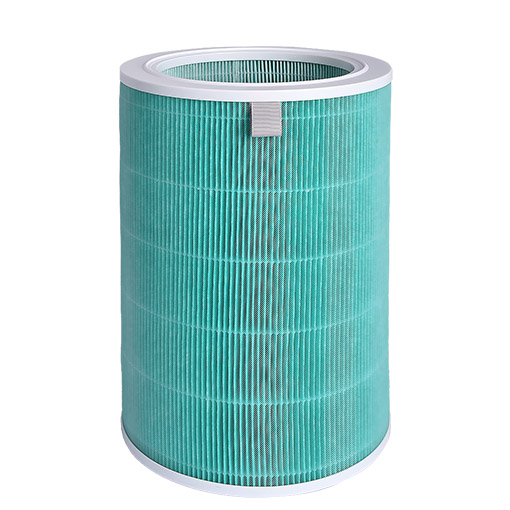
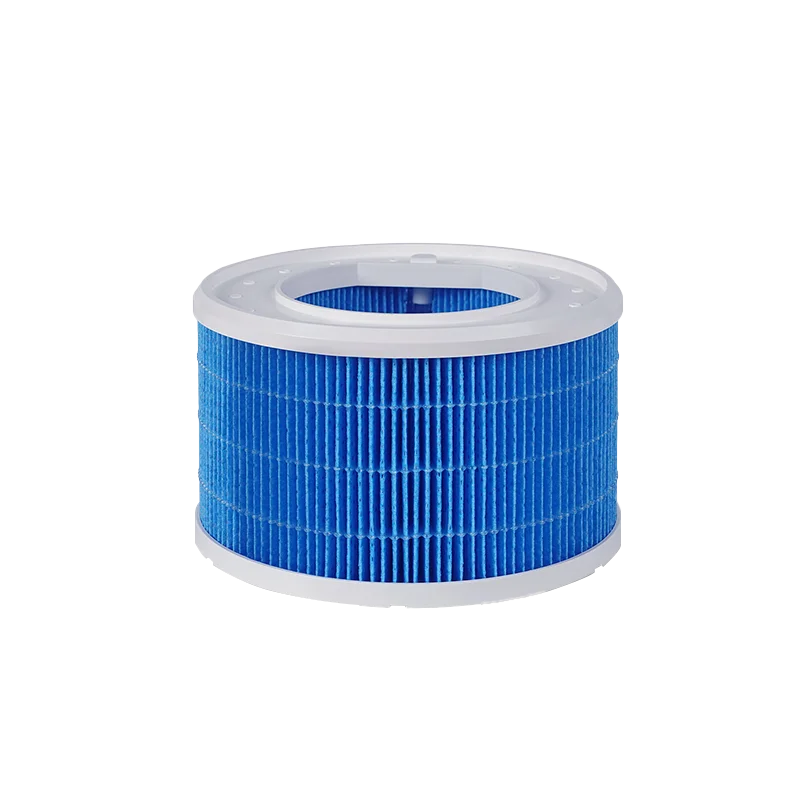
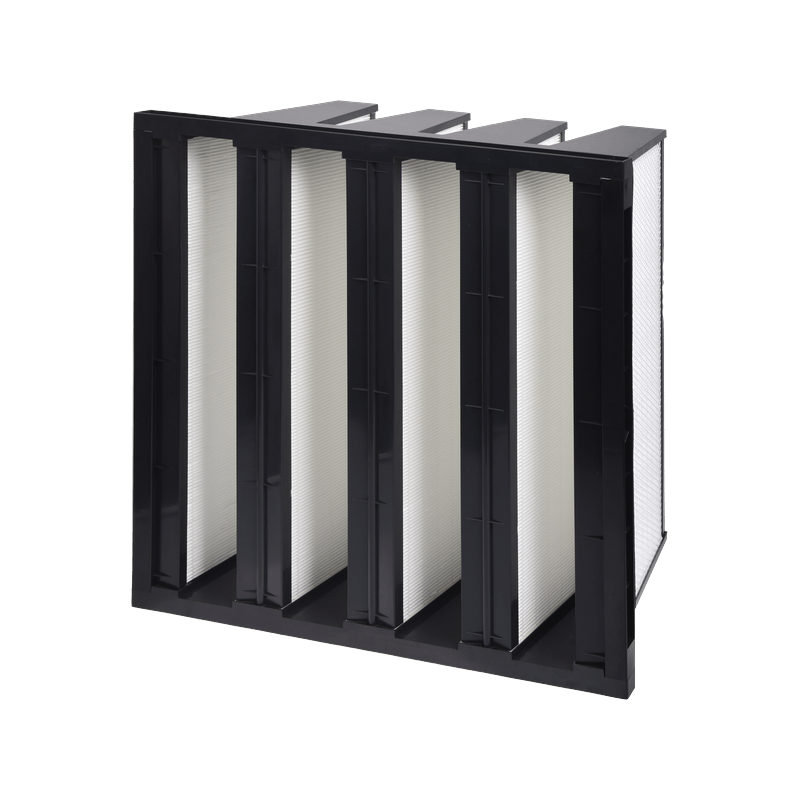
As he fitted the new filter he had brought, he added, “For a home like yours — dry air but you still want it clean — you’re better off with a professional anti-mold, antibacterial filter. The one I’m installing now is the ‘Sanitized MAX’ custom-version filter made by LANSIR. It incorporates anti-mold, antibacterial bio-technology designed specifically for damp environments; it effectively suppresses mold growth, lasts longer, and keeps this kind of problem from happening again.”
Only then did Ms. Li realize, as if waking from a dream, that such a small filter held so much know-how! …
Ms. Li’s experience is far from unique! Many people assume that deploying these two “wonder devices” together will deliver “moist and clean” air, but get the method wrong and the result ranges from destroyed machines to, worse, air that is actually polluted and harmful to health!
I. Why “running them together” can be a mistake
The principle is simple — it comes down to the relationship between water and the filter.
- “White dust” pollutes the air:If you use an ultrasonic humidifier (the kind that sprays a white mist) and, for convenience, fill it with tap water, the humidifier shatters the calcium, magnesium, and impurities in the water into tiny white powder that it sprays into the air. This is nothing less than artificially manufacturing PM2.5! Your air purifier will work frantically to capture these particles, causing the filter’s service life to plummet — and some of the particles will still be inhaled by the human body.
- The filter becomes a “breeding ground for bacteria”: If the humidifier’s mist is sprayed directly at the purifier, the damp vapor gets drawn inside and soaks the HEPA filter. A damp filter is the perfect breeding ground for mold and bacteria. As a result, what the purifier blows out is no longer clean air, but “poison gas” saturated with mold spores!
II. So can you actually use them together?
The answer is: yes! But you must do it the right way! Remember the three golden rules below to get twice the result with half the effort and enjoy healthy air with peace of mind.
✅ Golden Rule 1: Keep your distance!
This is by far the most important one! The two devices must be kept at least 2–3 meters apart, and under no circumstances should the humidifier’s spray outlet be pointed directly at the purifier’s air intake. It is best to place them on opposite diagonals of the room, so the mist disperses and evaporates fully in the air before the purifier circulates and filters it.
✅ Golden Rule 2: Water is the key!
Always use purified or distilled water in the humidifier! This eliminates “white dust” pollution at the source, protecting your filter and, more importantly, protecting your family’s lungs. Don’t save a little on water only to spend far more on filters and medical bills.
✅ Golden Rule 3: Cleaning is king!
The humidifier’s water tank must be emptied and refilled daily and thoroughly cleaned once a week to prevent microbial growth. The air purifier’s filter should also be replaced or cleaned on schedule per the instructions to avoid secondary pollution.
III. The expert’s ultimate advice
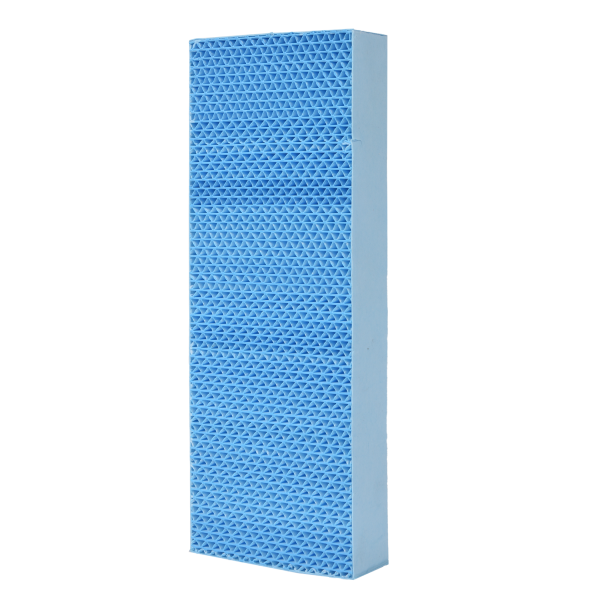
If you are about to buy, choose an evaporative (mist-free) humidifier first. It humidifies through cold-evaporation technology and produces no mist — so it creates neither “white dust” nor the problem of soaking the filter, and is “a match made in heaven” with an air purifier, usable at close range.
In summary
- Wrong: Ultrasonic humidifier (with tap water) + air purifier (placed right next to it) = damaged machines + polluted air
- Right: Humidifier (with purified water) + air purifier (kept at a distance) = moist, clean air
- Perfect: Evaporative, mist-free humidifier + air purifier = the perfect pairing
How do you use these two appliances in your home? Share your experience and questions in the comments! If you found this article useful, please like and share it to help more friends avoid the pitfalls!