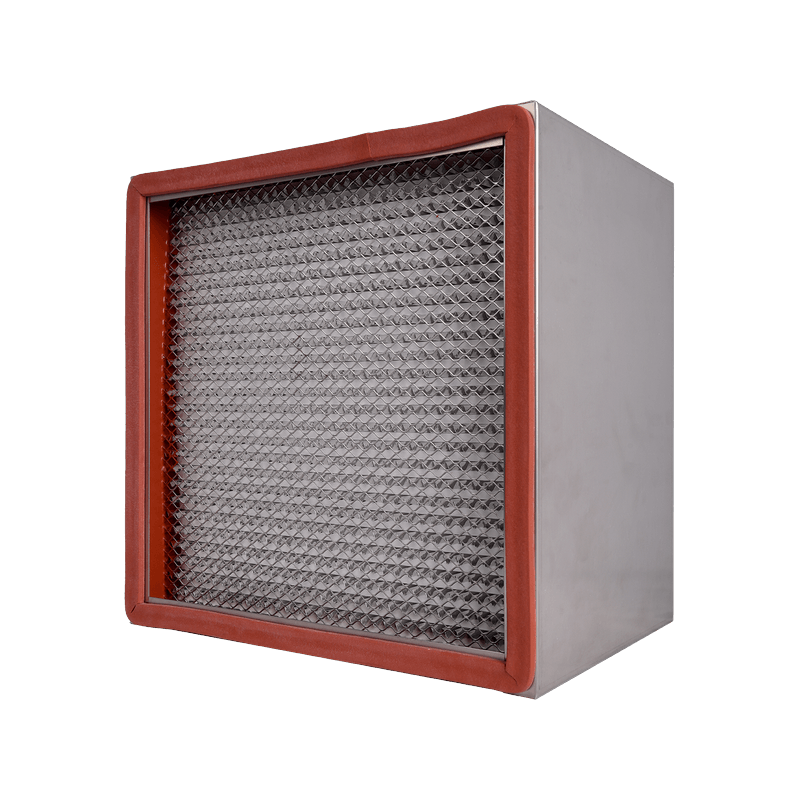
At AWE2026 — the Appliance & Electronics World Expo — LANSIR Environmental Technology (Shanghai) Co., Ltd. showcased its HEPA filters, activated-carbon filters, composite filters and industrial clean-air solutions, advancing a clear industry thesis: clean air is shifting from a value-added option to a core standard feature of smart home appliances. This article decodes LANSIR’s “AWE answer sheet” and the industrial logic behind it.
From March 12 to 15, 2026, the Appliance & Electronics World Expo (AWE) wrapped up under its “one exhibition, two venues” format, spanning the Shanghai New International Expo Centre (SNIEC) and the Shanghai Eastern Hub International Business Cooperation Zone . As the spotlight across the entire show turned to AI large-model home appliances, embodied-intelligence robots, and whole-home smart systems, LANSIR Environmental Technology (Shanghai) Co., Ltd. offered a different answer at Booth W2 2B15: the next competitive frontier for smart home appliances is not “smarter” but “cleaner” — clean air is moving from an optional value-add into a core standard feature that smart home appliances ship with straight from the factory.
I. AWE2026: AI Takes the Stage, Air Runs the Undercurrent
The Appliance & Electronics World Expo (AWE), founded by the China Household Electrical Appliances Association in 1992, is held in Shanghai every March and, alongside the U.S. CES and Germany’s IFA, ranks among the world’s top three appliance and consumer-electronics exhibitions — an annual industry bellwether. AWE2026, themed “AI Technology, Smarter Living,” spanned approximately 170,000 m², attracted over 1,200 exhibiting companies and drew more than 200,000 visitors.
Yet connecting the booths of AWE2026 reveals a persistent undercurrent — air. Smart air conditioners purify the air before they adjust the temperature; the core deliverable of air purifiers and fresh-air systems is clean air; robotic vacuum cleaners and floor washers suck up dust and allergens; even the experience loop of smart kitchens and pet appliances cannot avoid the handling of odors and particulates.
The smarter home appliances become, the higher users’ expectations for “clean” rise. AI can recognize air-quality numbers, but it cannot replace the real interception performance of a filter — AI handles perception; filtration delivers the result. That is precisely the significance of LANSIR’s presence at AWE.
II. From “Optional Add-on” to “Standard Feature”: An Industrial Shift Underway
The core argument LANSIR conveyed at AWE is that the “standardization” of clean air is not a marketing concept, but an industrial fact driven by three forces.
First, the upgrade of health-conscious consumption is forcing the upgrade of“invisible components”.
Amid trade-in programs and the healthy-home consumption trend, consumers’ questions when buying appliances have shifted from “Does it have a purification function?” to “Is the filter rated H13?”[2] and “What’s its formaldehyde-removal efficiency?” Filter grade is becoming as intuitive a purchasing language as screen resolution.
Second, AI’s“proactive perception”depends on real filtration capability.
The proactive intelligence demonstrated by major brands at AWE2026 — automatic sensing, automatic adjustment, proactive health management — all trace their data sources back to air quality. If the hard filtration technology cannot keep up, even the most polished AI interface is merely a numbers game.
Third, the expanding“people–vehicle–home”ecosystem keeps extending filtration scenarios.
From homes to vehicles, from offices to public spaces, the demand boundary for clean air keeps expanding outward; air filtration is no longer a single-category function, but the infrastructure of the entire smart-living ecosystem.
III. LANSIR’s AWE answer: turning filters into a ‘system engineering’
Founded in 2013, LANSIR is a “Specialized, Sophisticated, Distinctive, and Innovative (Little Giant)” high-tech enterprise focused on the field of air filtration. It has formed a group-level layout with two major production–R&D bases in Shanghai and Jiangsu, and its products are exported to more than 30 countries and regions including Europe, the U.S., Japan and South Korea. At AWE, LANSIR’s positioning was clear: it does not build finished appliances, but serves as the “air-filtration foundation” behind smart home appliances and clean-air scenarios, coexisting with — rather than competing against — finished-appliance manufacturers.
LANSIR’s three major product matrices on display at AWE form a complete filtration chain from home to factory.
(1) Filters for Household and Smart-Cleaning Appliances: the “Invisible Heart” of Smart Appliances
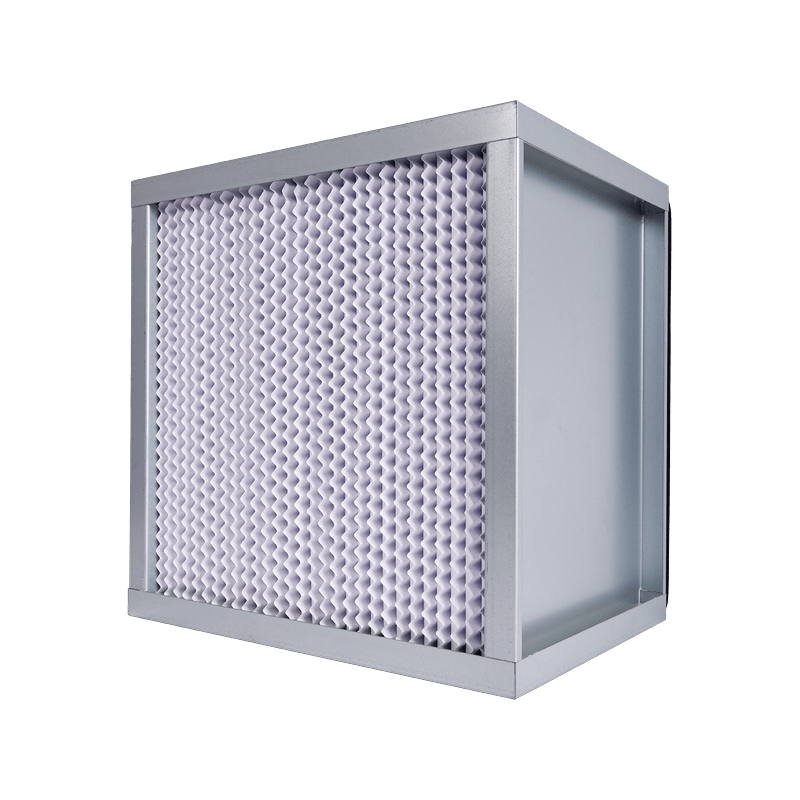
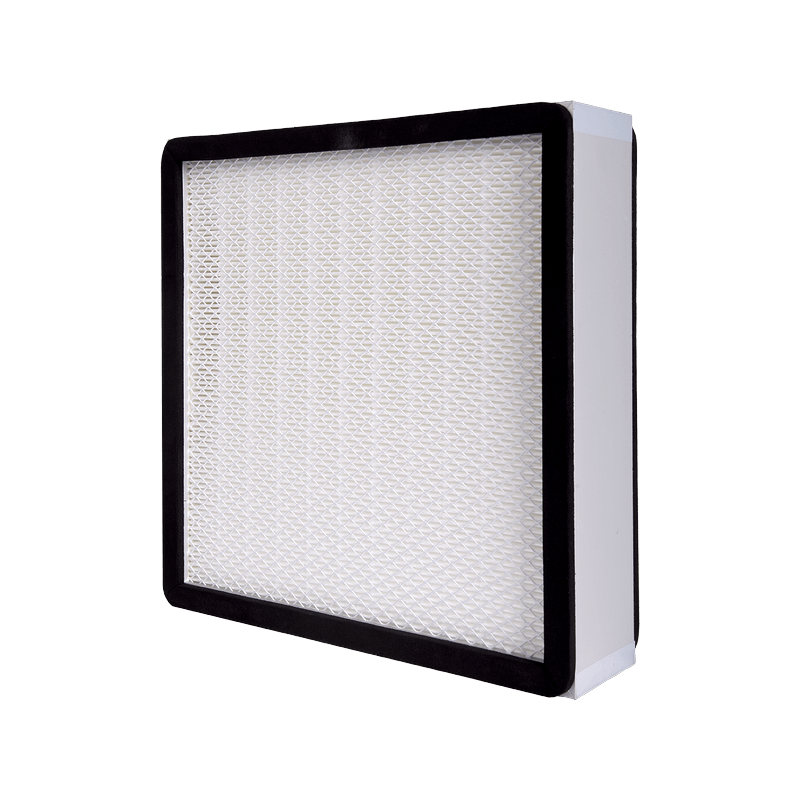
- HEPA filters: efficiently intercept fine particulates such as PM2.5, pollen and bacteria; filtration precision reaches H13 grade or above, making them the core filtration layer of air purifiers and fresh-air systems.
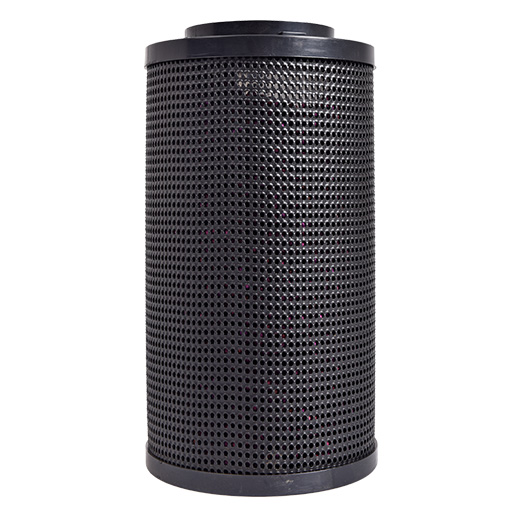
- Activated-carbon filters: strongly adsorb gaseous pollutants such as formaldehyde, TVOC and odors, directly addressing the formaldehyde-removal needs most concerning to new-home buyers and families with infants.
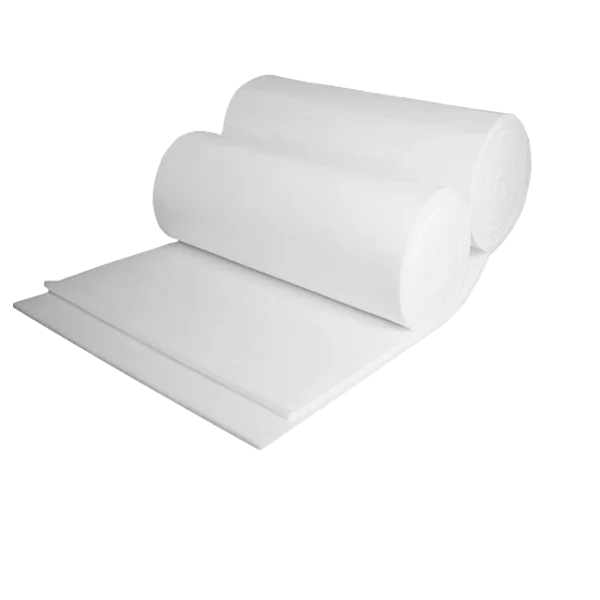
- Multifunctional composite filters: an integrated multi-layer design of HEPA and activated carbon that combines physical filtration with chemical adsorption, saving space and easing replacement.
- Humidification filters: hydrophilic, air-permeable materials that lock in moisture evenly and humidify efficiently while inhibiting bacterial growth.
- Robotic-vacuum and floor-washer filters: designed for compact structures, with high dust-holding capacity, low air resistance (low pressure drop) and wet-resistant, easy-to-clean performance, guarding the “last line of defense” of cleaning appliances.
- Pet-product filters: designed for hair, dander and odors, with high interception rates and resistance to scratching and washing, responding to the emerging need of co-living with pets.
(2) Commercial Air-Purification Systems: Clean-Air Assurance for Buildings and Public Spaces
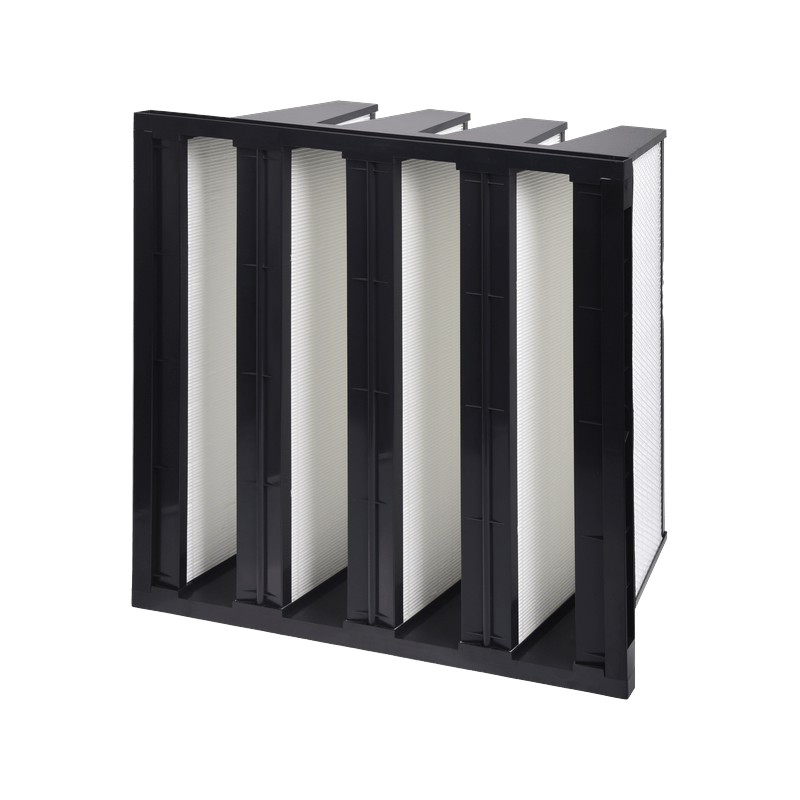
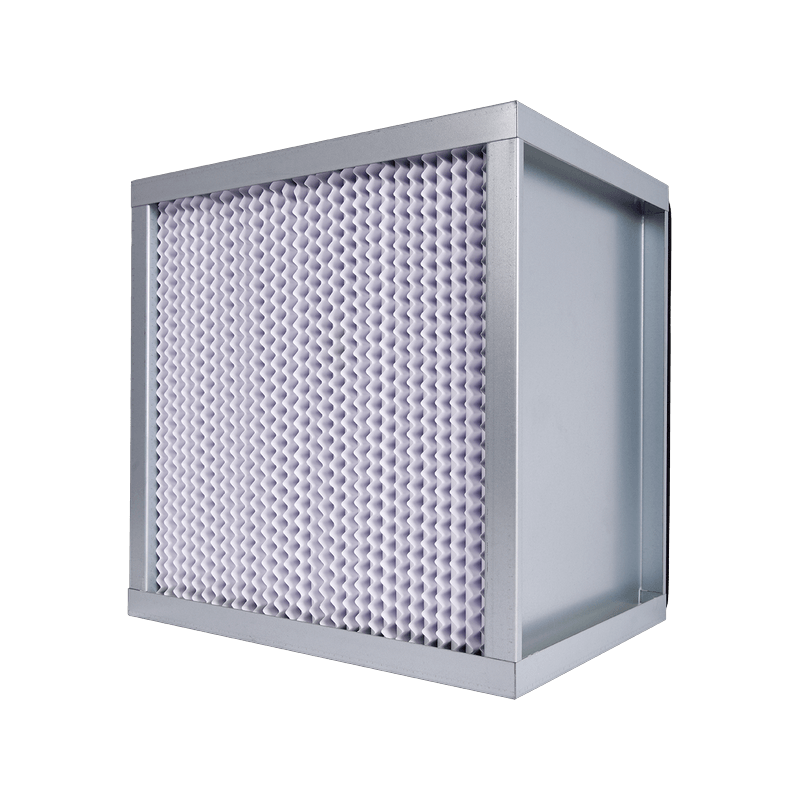
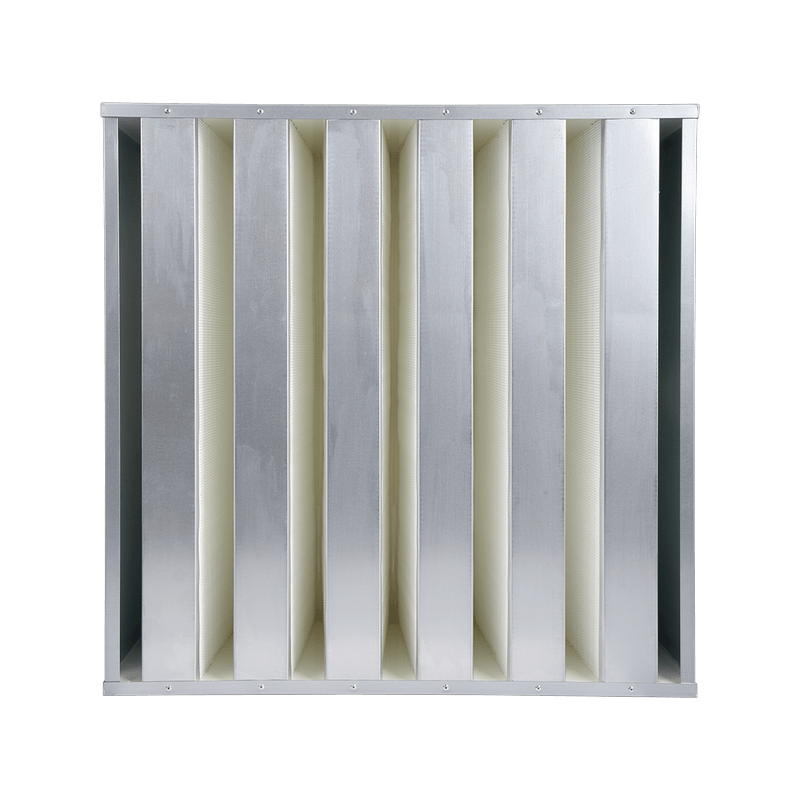
For scenarios such as commercial buildings, hotels, schools, hospitals and museums, LANSIR provides a full series of air filters — from coarse and medium-fine to high-efficiency (HEPA) and ultra-high-efficiency (ULPA) — that meet the ISO 14644 cleanroom standard, delivering full-chain filtration support for ventilation systems.
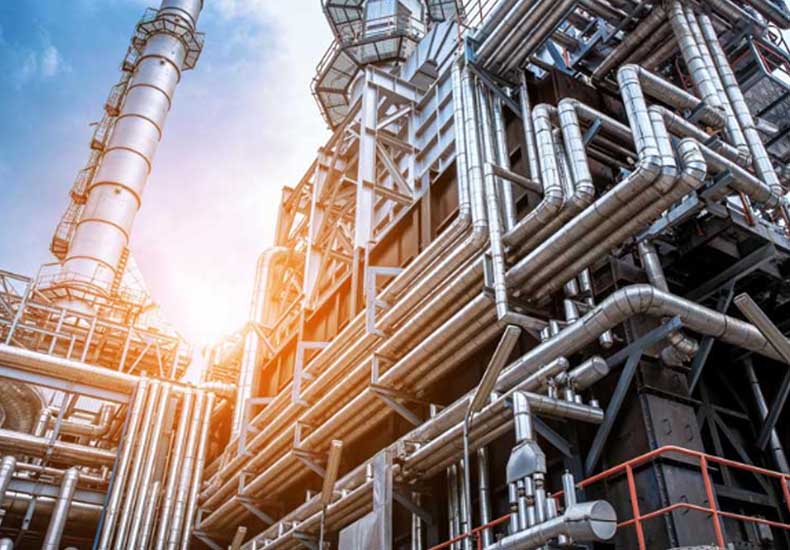
(3) Industrial Clean Solutions: Safeguarding Green Production at the Source
In high-precision production scenarios such as electronics & semiconductors, pharmaceutical & chemicals, and painting & coating, air cleanliness directly determines product yield and personnel safety. LANSIR’s industrial air filters and industrial chemical filters can specifically remove dust, microorganisms, and gaseous pollutants such as sulfur dioxide (SO₂), nitrogen oxides (NOₓ) and VOCs, providing compliant and efficient filtration assurance for clean workshops and industrial emissions.
IV. Why LANSIR: 13 Years Doing One Thing
Amid the industry’s prevailing clamor for “full category, full scenario,” LANSIR stands out for its focus: 13 years devoted to the single pursuit of “air filtration.” This focus has crystallized into three barriers —
- R&D depth: a professional R&D team of over 40 people, supported by cleanroom production workshops and testing laboratories; every filter undergoes rigorous performance validation.
- Production–R&D integration: the two major production–R&D bases in Shanghai and Jiangsu work in synergy, with full in-house control across the chain — from filter-material research and structural design to finished-product integration — supporting customized development.
- Global perspective: products exported to more than 30 countries and regions, tested against the stringent quality and compliance requirements of mature markets in Europe, the U.S., Japan and South Korea.
“Through bramble carts and rush garments, we broke ground in the mountains and forests” — a line engraved in LANSIR’s corporate spirit, captures the company’s 13-year path: it does not chase fad-driven concepts, but does the invisible, unglamorous work in the air.